Tempe Mendoan I
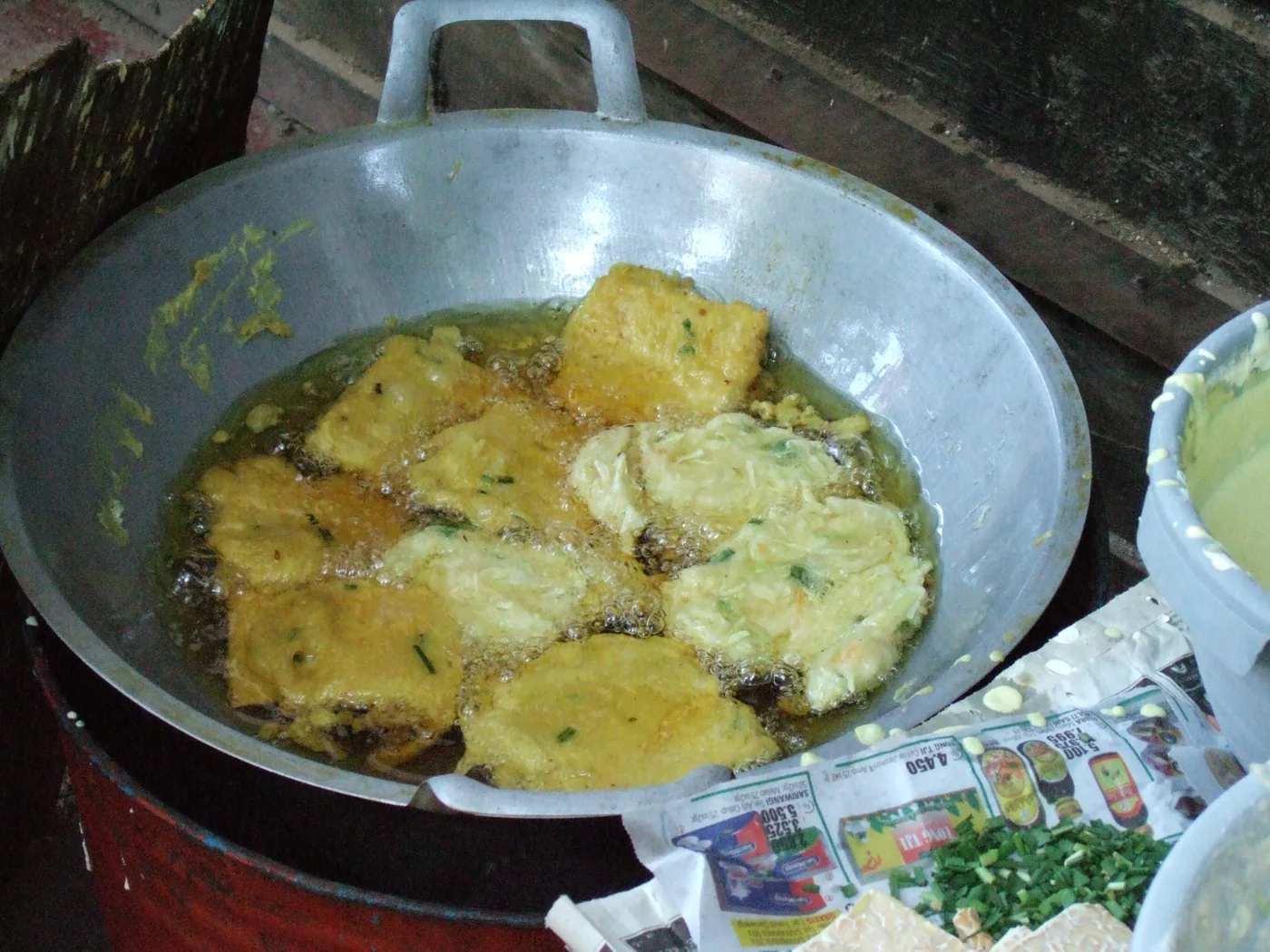
Cuisine of Indonesia Tempe mendoan is a dish made from thin tempeh, fried with flour so as to taste deliciously piquant. Traditionally in the Banyumas territory, tempe mendoan was made from thin, wide tempeh, one or two sheets cooked at a time. However, tempe mendoan also could be made from normal tempeh that was sliced very thin but wide.
Before you start
A quick setup makes the method easier to follow and keeps important steps from being missed.
Preparation checklist
- Read all 6 method steps from beginning to end.
- Measure and arrange all 11 listed ingredients.
- Keep the recipe open and follow each step in order; the source does not state a total time.
Useful preparation guidance
Read the complete method before starting so ingredients and equipment are ready when needed.
Measure and prepare every ingredient before applying heat or beginning time-sensitive steps.
Use the method's visual and texture cues, because cookware and heat levels can vary between kitchens.
General kitchen guidance; no recipe-specific claim has been added.Method
- 01
Combine rice flour, wheat flour, garlic, shallot, coriander, pepper, salt, water, and green onion to make a thin batter.
- 02
Dip each piece of tempeh into the batter, and coat entirely.
- 03
Warm the oil in a frying pan, and put it on the stove until hot. Put each piece of coated tempeh into hot oil.
- 04
Fry the tempeh until hardened and well done. Don't wait until it becomes yellow and crispy.
- 05
Remove the tempeh from the oil, letting the oil drip from the tempeh so that there is not much oil on it.
- 06
Serve tempeh with soy bean sauce and sliced small chilies.
Ready to serve
Serve the dish as directed and enjoy it while it is at its best.
Bon appétit — enjoy your meal!Source & licence
This recipe was adapted and reformatted from Wikibooks Cookbook . Text: CC BY-SA 4.0. Image: CC BY-SA 3.0, credited to Sakurai Midori; view original image record .
More from International
 International
"Favourite" salad
How to prepare "Favorite Salad": Bread, Mayonnaise, Garlic and Carrots. Step-by-step recipe with a photo, 18 stages, the total time is 30 minutes.
 International
"Gelak Pilaw," pilaf with meatballs
Learn how to make "Gelak Pilaw," pilaf with meatballs with 7 ingredients and 11 clear steps.
 International
"Grace" salad
Learn how to make "Grace" salad with 7 ingredients and 8 clear steps.
 International
“Original” pork salad with kiwi and eggs
How to prepare “Original” pork salad with kiwi and eggs: Lettuce leaf, Pork in / k, Kiwi and Eggs (quail or chicken C2-C3) - 6 pieces.