Pesto II
Pesto is a sauce which is added mainly, but by no means exclusively to pasta. Pesto is purely the Italian version of this delicious sauce, with other names for the same (or similar) sauce from other countries. Another famous national variant to pesto is pistou, which is the French equivalent.
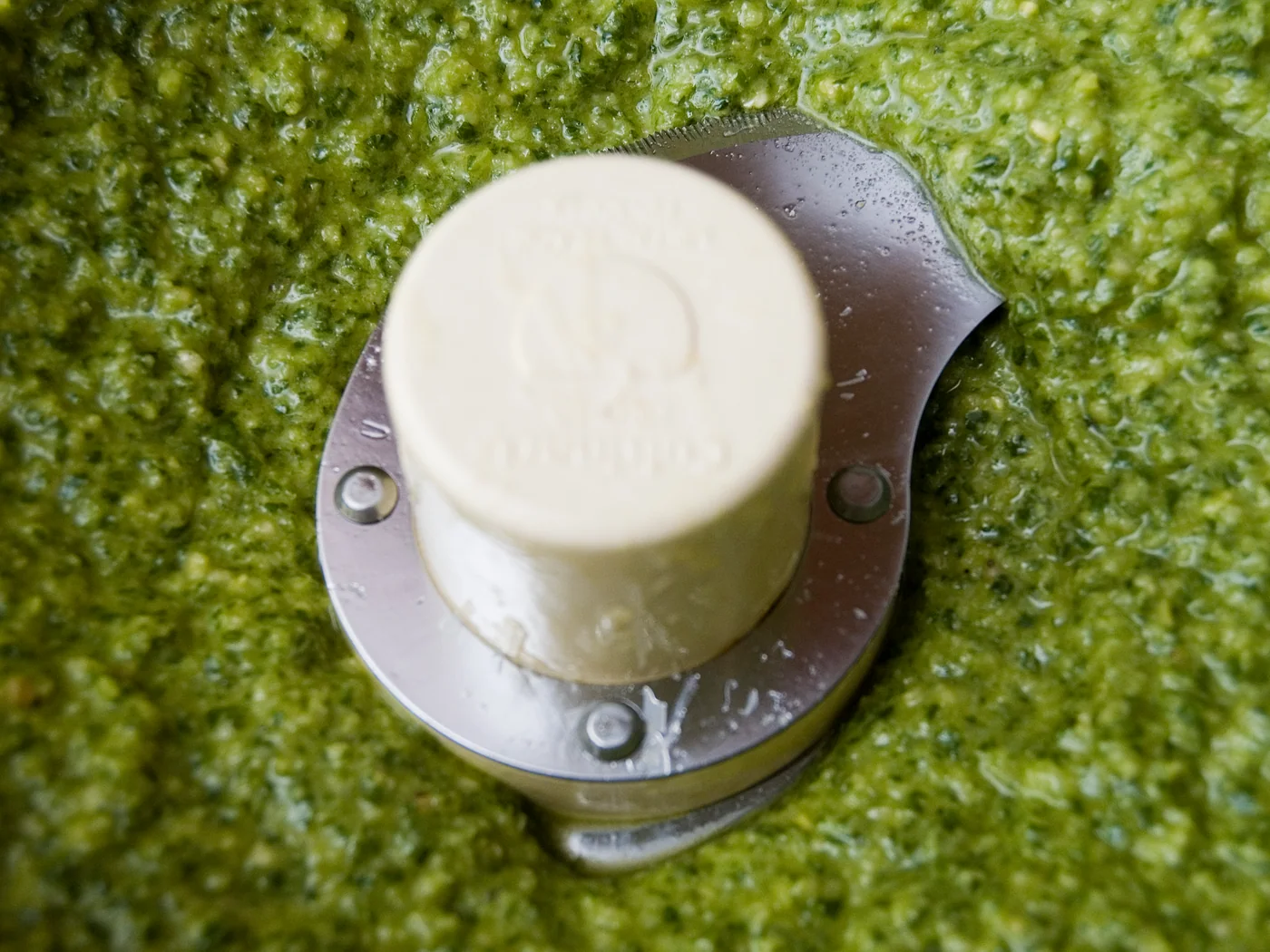
Before you start
A quick setup makes the method easier to follow and keeps important steps from being missed.
Preparation checklist
- Read all 6 method steps from beginning to end.
- Measure and arrange all 5 listed ingredients.
- Keep the recipe open and follow each step in order; the source does not state a total time.
Useful preparation guidance
Read the complete method before starting so ingredients and equipment are ready when needed.
Measure and prepare every ingredient before applying heat or beginning time-sensitive steps.
Use the method's visual and texture cues, because cookware and heat levels can vary between kitchens.
General kitchen guidance; no recipe-specific claim has been added.Method
- 01
Whatever you may have been told, use a electric blender or a liquidiser to make pesto. Faffing about with a pestle and mortar is for the birds.
- 02
Again, whatever you have been told, put a good quantity of olive oil in the blender first and start it running, otherwise the blades will gum up and you risk burning the basil.
- 03
Drop basil leaves through the top into the olive oil so that they are mulched up by the blades.
- 04
Add some nuts so they are also mulched up.
- 05
When the developing pesto sticks and becomes too thick, simply add more olive oil until the whole lot starts to mulch again. Continue adding basil leaves, nuts and the garlic cloves, always making sure the mixture remains fluid.
- 06
Once you begin to run out of basil leaves and nuts, add a handful of Parmesan cheese (though not too much; remember the taste should be predominantly of basil). The end result should be a wondrous smelling, glutinous mass of green, which should be then emptied out of the blender into its own container.
Ready to serve
Serve the dish as directed and enjoy it while it is at its best.
Bon appétit — enjoy your meal!Source & licence
This recipe was adapted and reformatted from Wikibooks Cookbook . Text: CC BY-SA 4.0. Image: CC BY-SA 2.0, credited to Paul Goyette; view original image record .
More from International
 International
"Favourite" salad
How to prepare "Favorite Salad": Bread, Mayonnaise, Garlic and Carrots. Step-by-step recipe with a photo, 18 stages, the total time is 30 minutes.
 International
"Gelak Pilaw," pilaf with meatballs
Learn how to make "Gelak Pilaw," pilaf with meatballs with 7 ingredients and 11 clear steps.
 International
"Grace" salad
Learn how to make "Grace" salad with 7 ingredients and 8 clear steps.
 International
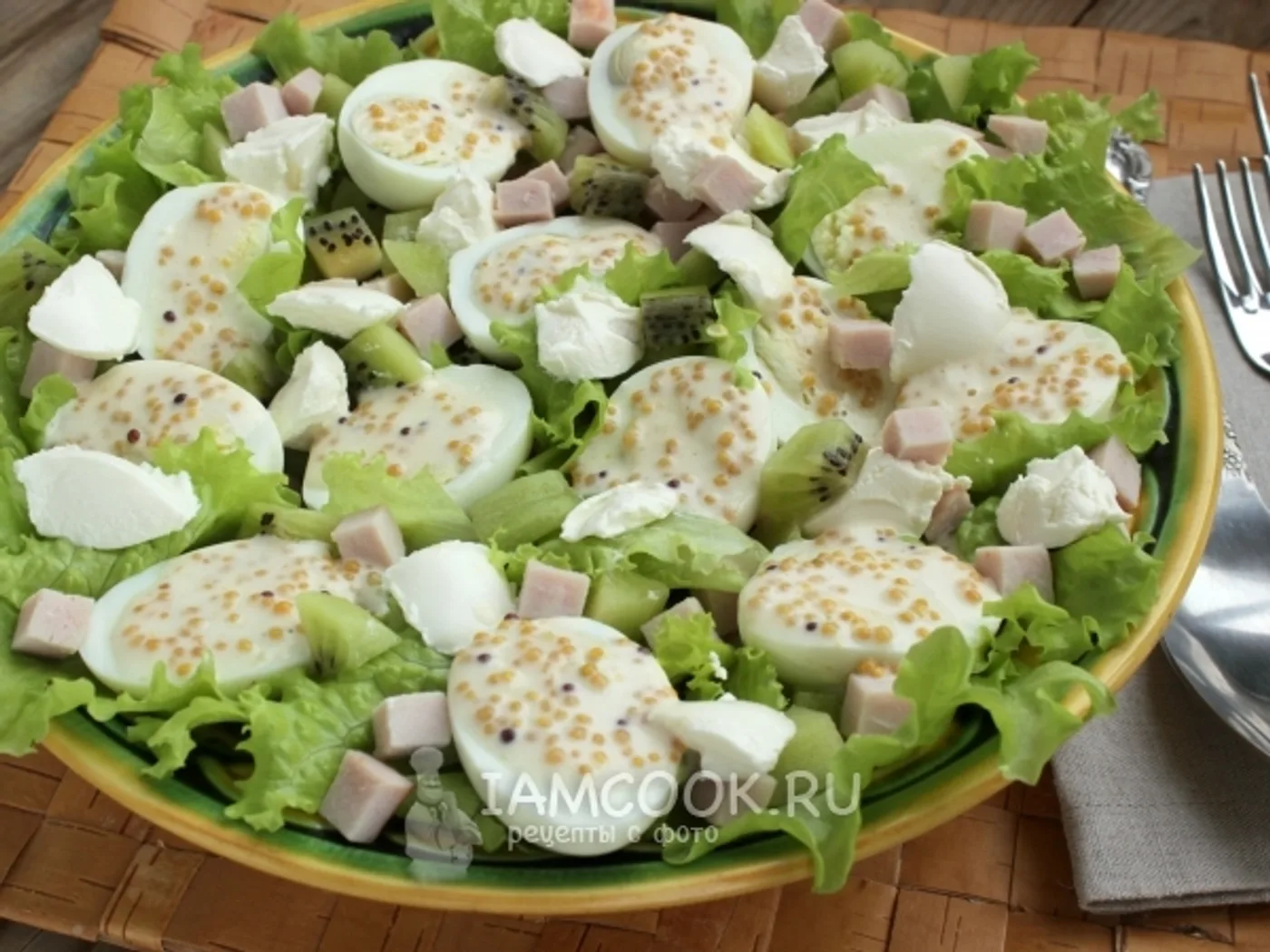
“Original” pork salad with kiwi and eggs
How to prepare “Original” pork salad with kiwi and eggs: Lettuce leaf, Pork in / k, Kiwi and Eggs (quail or chicken C2-C3) - 6 pieces.