Pavlova
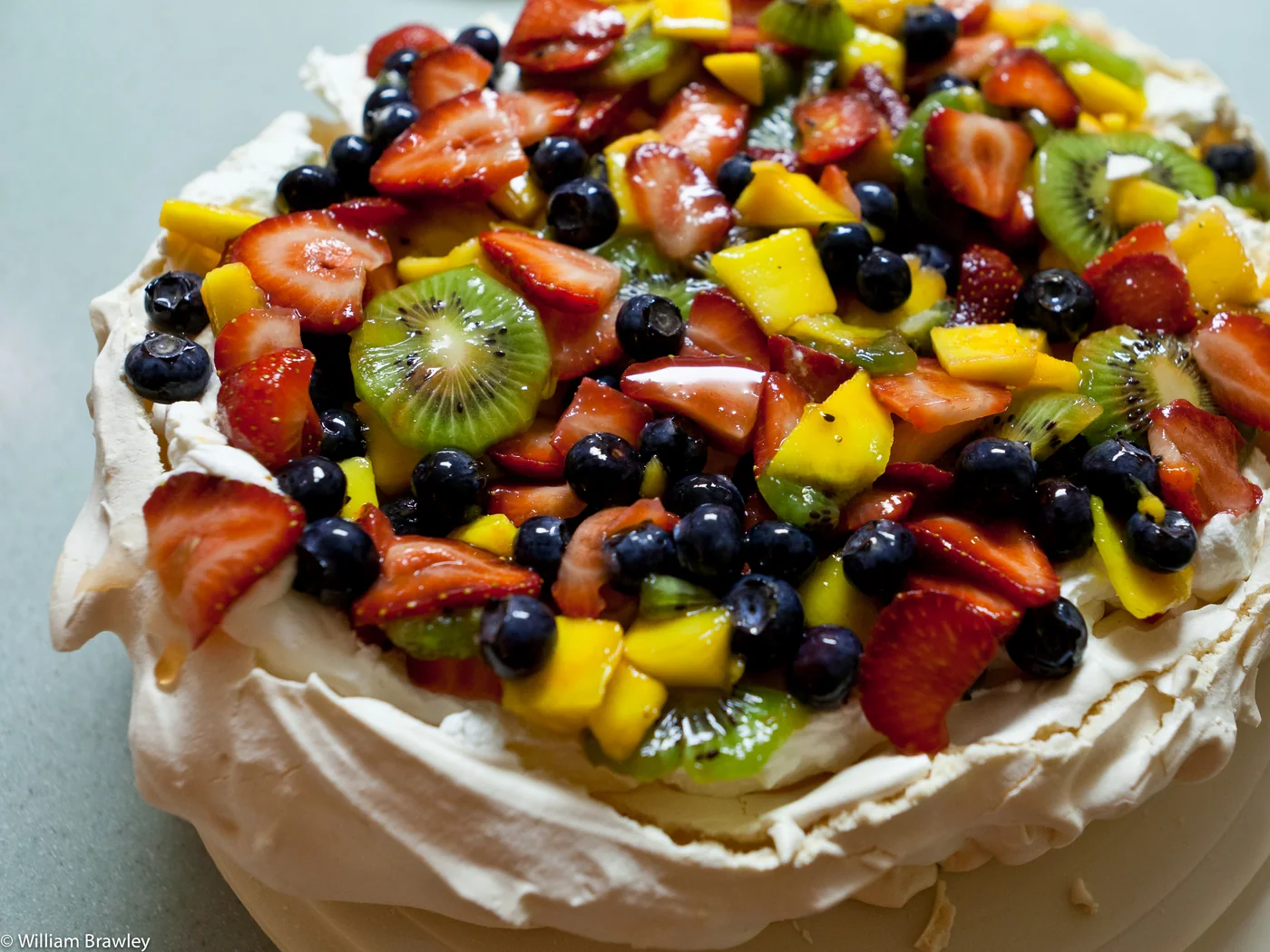
New Zealand Pavlova is a light and fluffy meringue dessert named after the ballet dancer Anna Pavlova. Both Wellington, New Zealand and Perth, Australia claims to be the home of the dish. The earliest record of the recipe is a cookbook published in New Zealand in 1933, two years before claims made in Perth. Pavlova is traditionally de
Before you start
A quick setup makes the method easier to follow and keeps important steps from being missed.
Preparation checklist
- Read all 5 method steps from beginning to end.
- Measure and arrange all 10 listed ingredients.
- Keep the recipe open and follow each step in order; the source does not state a total time.
Recipe notes & preparation tips
You can turn the meringue upside down before decorating with cream and fruit because the bottom is less crispy than the top after cooking, and unless you serve it immediately after decorating the "top" absorbs moisture from the cream.
You can leave the meringue in the oven after turning off the heat—this helps to prevent the middle of the pavlova from collapsing (although if it does collapse, generous application of cream can hide any mistakes!)
Adapted from the source recipe's notes.Method
- 01
Whip the egg whites and salt to a very stiff consistency. Add water and beat again before folding in caster sugar, vanilla and vinegar. Whip until the mixture holds its shape and stands in sharp peaks.
- 02
Spread the mixture onto a baking sheet lined with parchment paper.
- 03
Slow-bake the mixture at 150°C (300°F) to dry all the moisture and create the meringue, approximately 45 minutes. This leaves the outside of the pavlova a crisp crunchy shell, while the interior remains soft and moist. Let cool.
- 04
Whip the cream and powdered sugar to medium peaks. Spread the whipped cream on top of the meringue.
- 05
Arrange the fruit on top of the whipped cream layer. Serve immediately.
Ready to serve
Serve the dish as directed and enjoy it while it is at its best.
Bon appétit — enjoy your meal!Source & licence
This recipe was adapted and reformatted from Wikibooks Cookbook . Text: CC BY-SA 4.0. Image: CC BY 2.0, credited to William Brawley; view original image record .
More from Australia
 Australia
Anzac Biscuits I
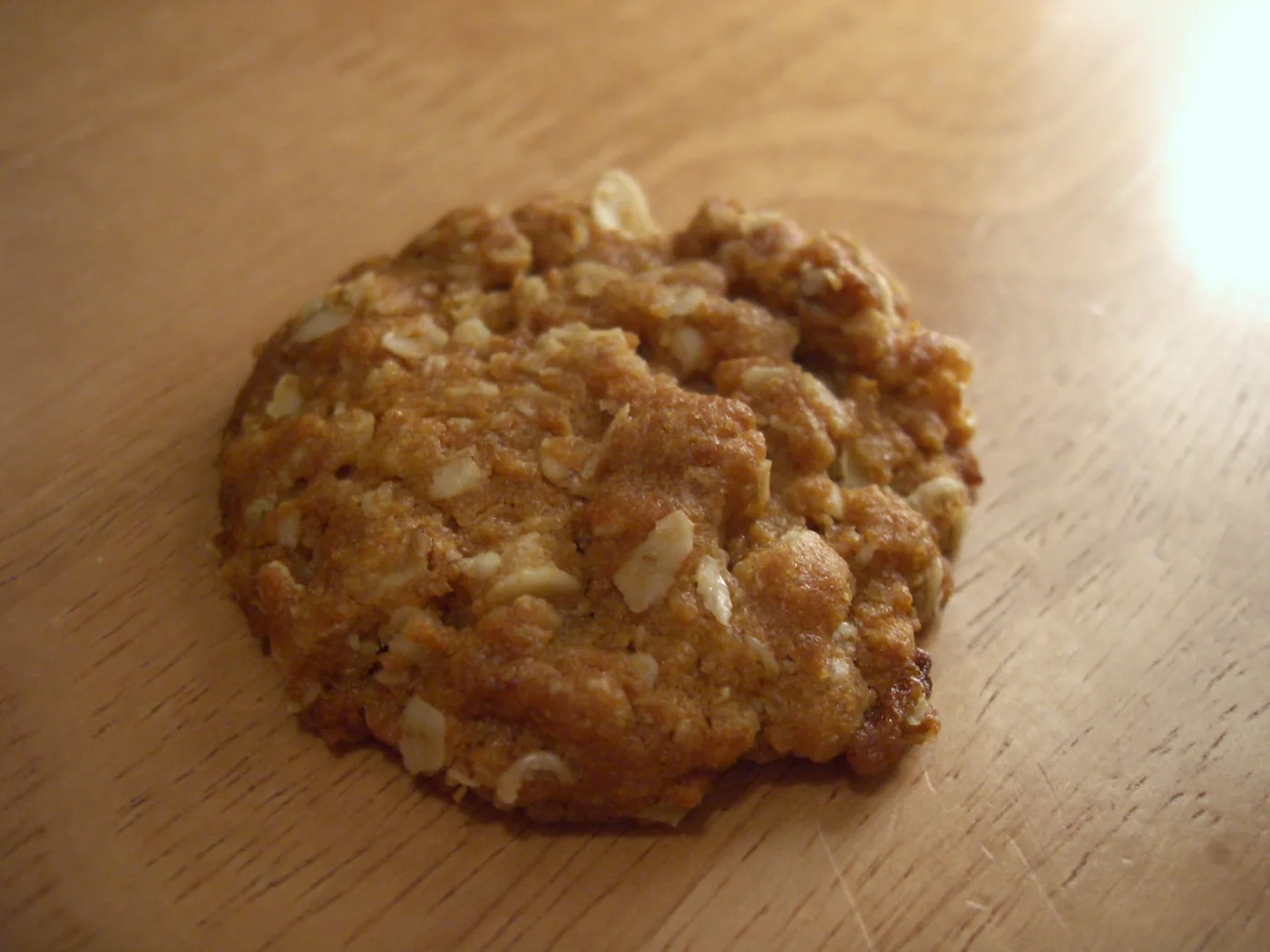
Cuisine of New Zealand ANZAC biscuits have long had an association with the Australia/New Zealand Army Corps (ANZAC) troops sent to Gallipoli during WWI. The biscuit appears to be a variant of the Scottish oat cake, said to be from the Scottish-influenced city of Dunedin. The recipe was created to ensure the biscuits would
 Australia
Damper (Australian Campfire Bread)
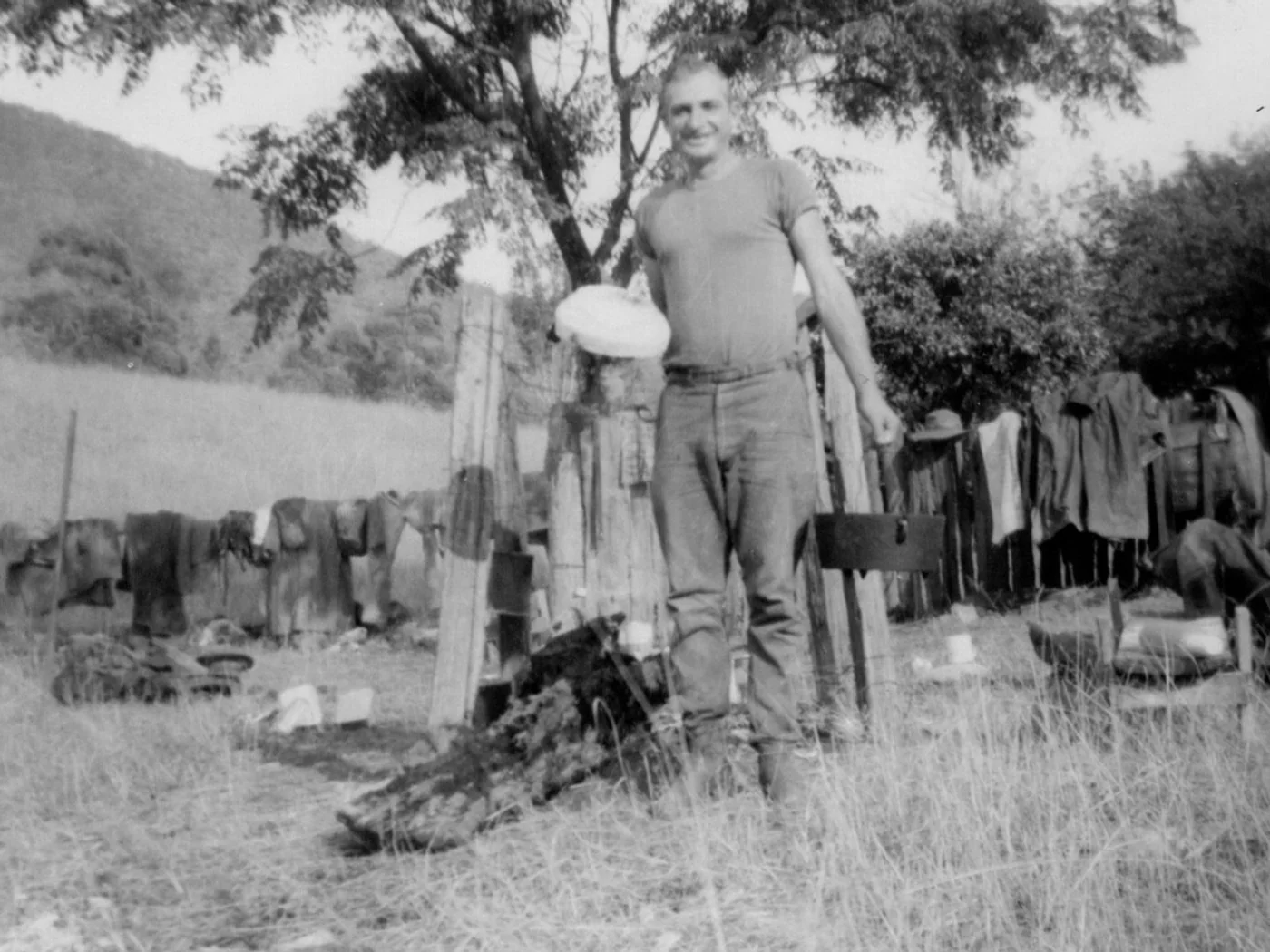
Cuisine of Australia Damper is Australian bushman's bread, made while camping or "waltzing matilda" (carrying a swag around looking for work). It is meant to be made outside by a campfire.
 Australia
Drover's Damper
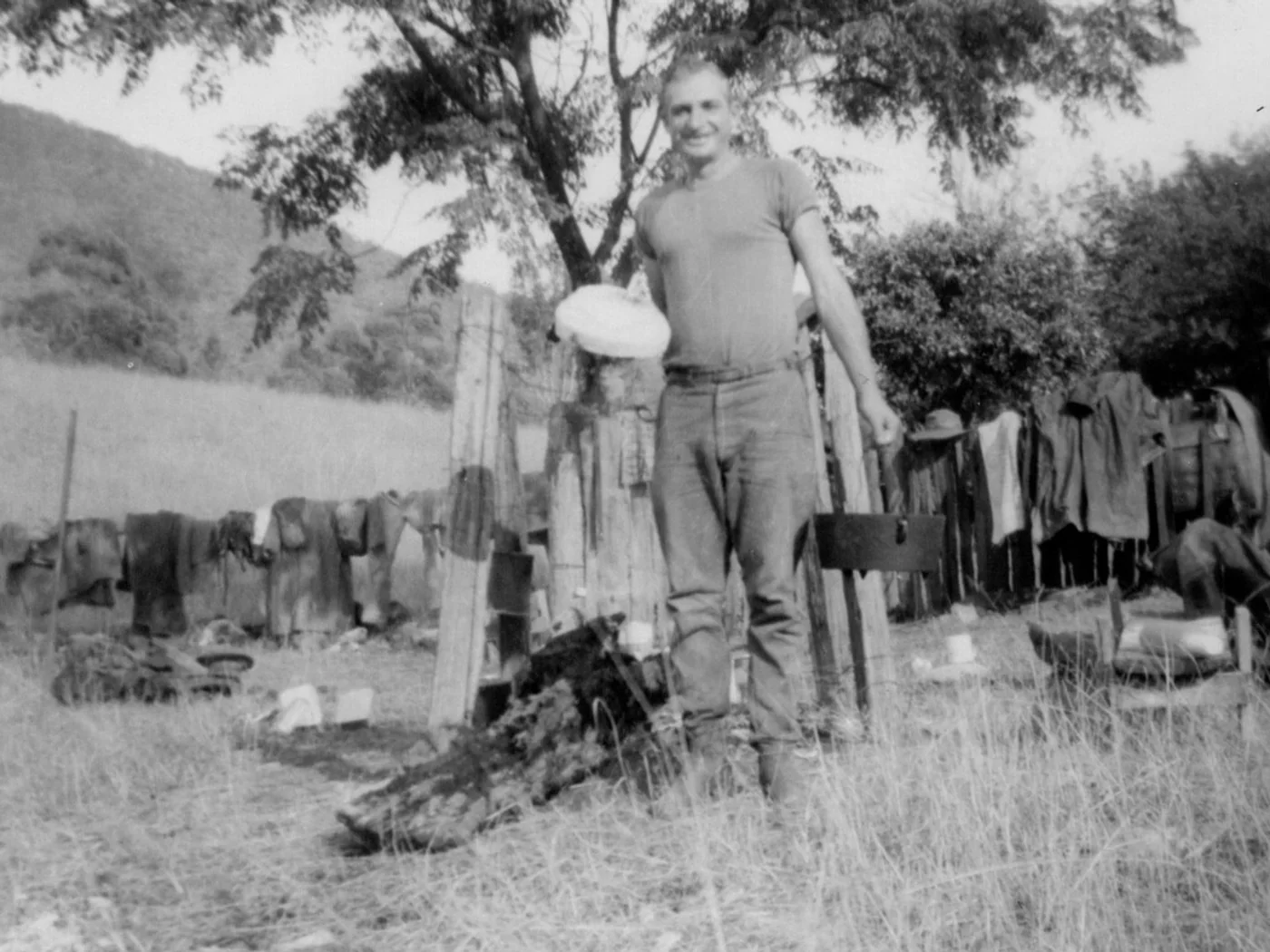
Australian Cuisine Drover's damper is Australian bread, made by stockmen while taking care of or rounding up stock. It is meant to be made outside by a campfire. This is the "flash" version, made when butter and milk are available.
 Australia
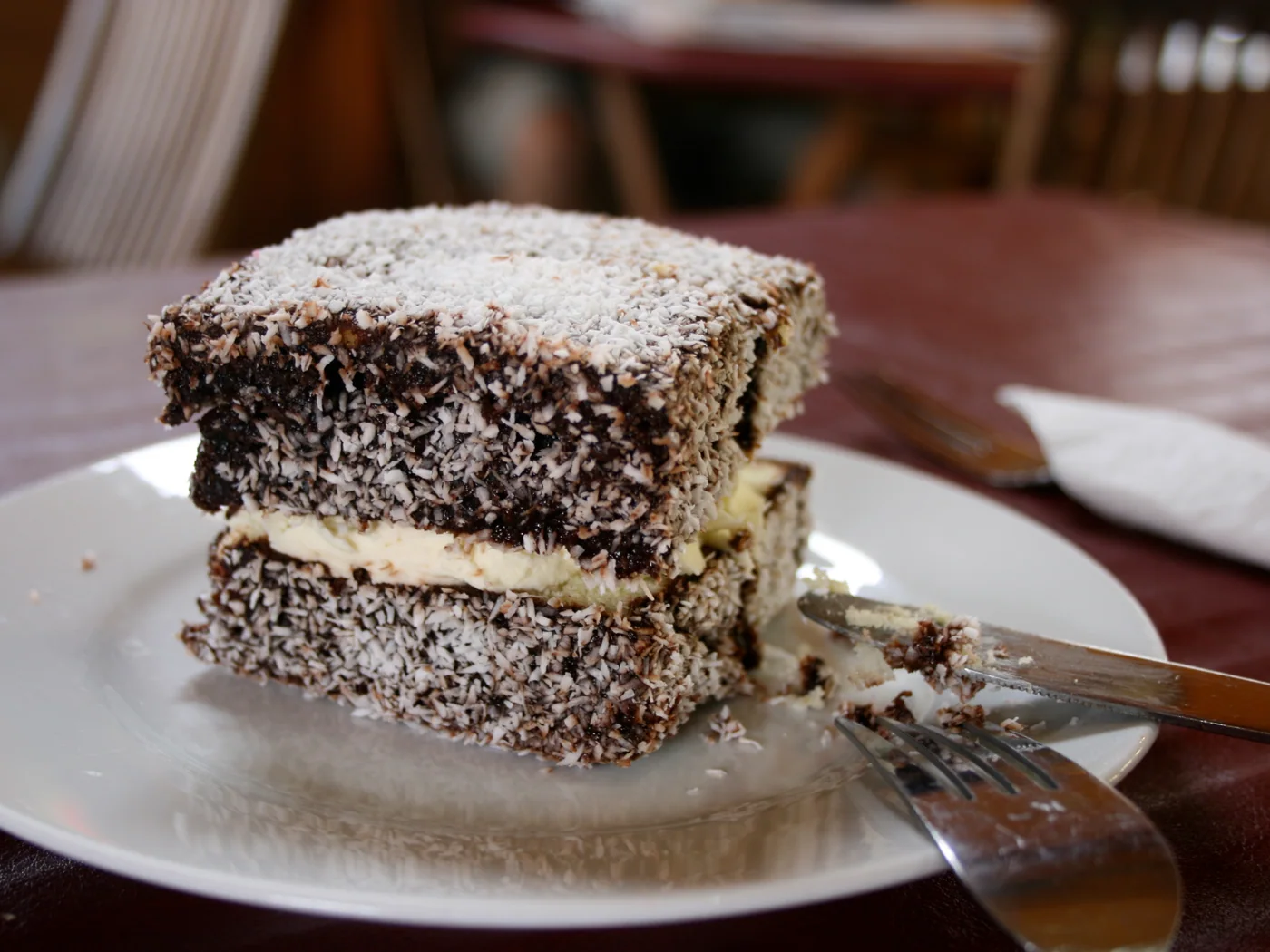
Lamington
New Zealander Cuisine Lamington is a dessert of sponge cake (or more traditionally, butter cake), cut into squares, coated in a layer of chocolate or strawberry icing, and topped with coconut.