Paella Valenciana
Rice Recipes Paella Valenciana and its seafood variation are authentic Valencian recipes that originated in their modern form in the early 1800s in Spain's Valencian region near lake Albufera. Prior to the 19th century the ingredients for Valencian paella varied greatly with the most unusual being marsh rat. Valencians consider only Valencian paella and seaf
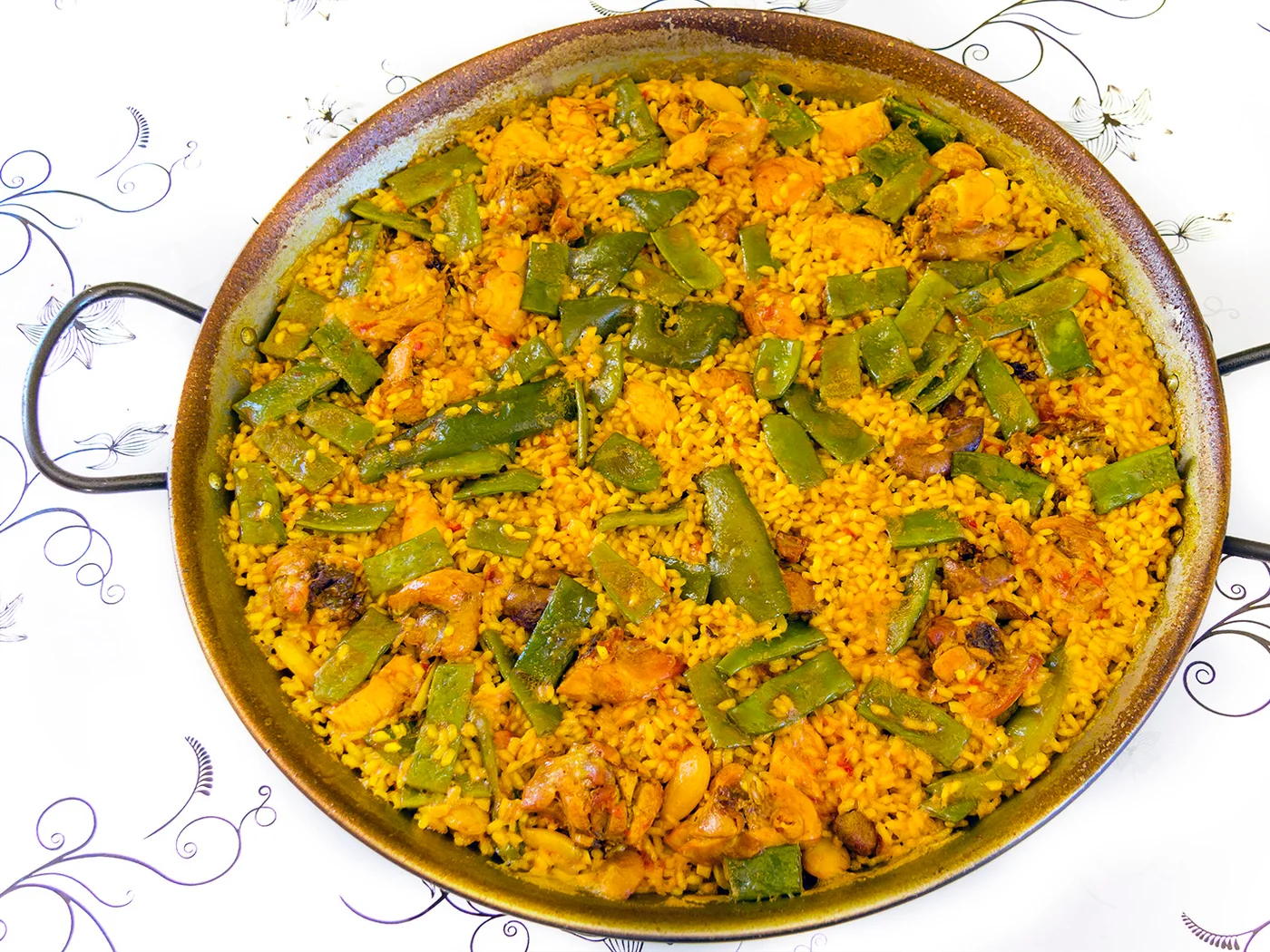
Before you start
A quick setup makes the method easier to follow and keeps important steps from being missed.
Preparation checklist
- Read all 10 method steps from beginning to end.
- Measure and arrange all 16 listed ingredients.
- Set aside about 90 minutes, based on the time recorded by the source.
Recipe notes & preparation tips
Throughout history, saffron has been the natural ingredient used in Spain to color rice yellow. However, it's very expensive because it's labor-intensive to process, and each saffron crocus yields a minuscule amount of saffron. Consequently, supermarkets sell only a few grams per container. Cooks and chefs in Spain (and throughout Latin America) solve this problem by using yellow food coloring, sometimes mixed with seasoning, which is much more affordable.
Adapted from the source recipe's notes.Method
- 01
Clean the snails, poultry and rabbit thoroughly. Cut the poultry and rabbit into small pieces and salt them generously.
- 02
Pour olive oil in a paellera and, when hot, sauté the poultry and rabbit pieces until golden brown.
- 03
Add green peppers and sauté for 1 minute. Add the garlic and sauté until brown. Be careful; garlic burns easily.
- 04
Once the garlic is brown, add the paprika followed quickly by the tomatoes to prevent the paprika from burning. Sauté until the tomatoes become dark and pulpy and the mixture has reduced a bit.
- 05
Add the water and bring it to a rolling boil. Then add the snails, fresh haricot beans (if canned, continue reading to see when to add these), runner beans, and saffron (and/or food coloring). Allow the mixture to boil for 10 minutes over a high flame. Sweep a rosemary branch through the broth for no longer than 30 seconds and then remove it.
- 06
After 10 minutes have passed, you should have a flavorful broth. It's customary at this point to allow your dinner guests to taste it. The purpose is to determine if the broth needs more salt. If so, add more salt, a pinch at a time, until everybody is satisfied.
- 07
Add the rice and stir it using the rice skimmer. Then, once again with the skimmer, spread the rice over the bottom of the paellera. The coating of rice should be one centimeter thick. Let it cook over a high flame for 10 minutes.
- 08
Reduce the heat to medium and let it simmer for 4 minutes. Add the canned haricot beans, reduce the heat again to low, and let it simmer for another 4 minutes. Taste the rice frequently to determine when it's fully cooked. You'll know it's done when it's slightly firm to the bite. Italians use a similar approach when cooking pasta, which they refer to as al dente.
- 09
At this point, there should be some toasted rice sticking to the bottom of the pan. This is a delicacy in Valencia called socarrat. If no socarrat has developed, increase the flame to high and listen for the crackling sound of rice toasting at the bottom.
- 10
Remove the pan from the heat when the rice is almost dry, and place the unused rosemary branches on top. Cover with a clean, white towel (a white towel prevents dye from leeching onto the paella) and wait 5 minutes before serving to allow the rice to absorb the remaining broth.
Ready to serve
Serve the dish as directed and enjoy it while it is at its best.
Bon appétit — enjoy your meal!Source & licence
This recipe was adapted and reformatted from Wikibooks Cookbook . Text: CC BY-SA 4.0. Image: CC BY-SA 4.0, credited to Jan Harenburg; view original image record .
More from International
 International
"Favourite" salad
How to prepare "Favorite Salad": Bread, Mayonnaise, Garlic and Carrots. Step-by-step recipe with a photo, 18 stages, the total time is 30 minutes.
 International
"Gelak Pilaw," pilaf with meatballs
Learn how to make "Gelak Pilaw," pilaf with meatballs with 7 ingredients and 11 clear steps.
 International
"Grace" salad
Learn how to make "Grace" salad with 7 ingredients and 8 clear steps.
 International
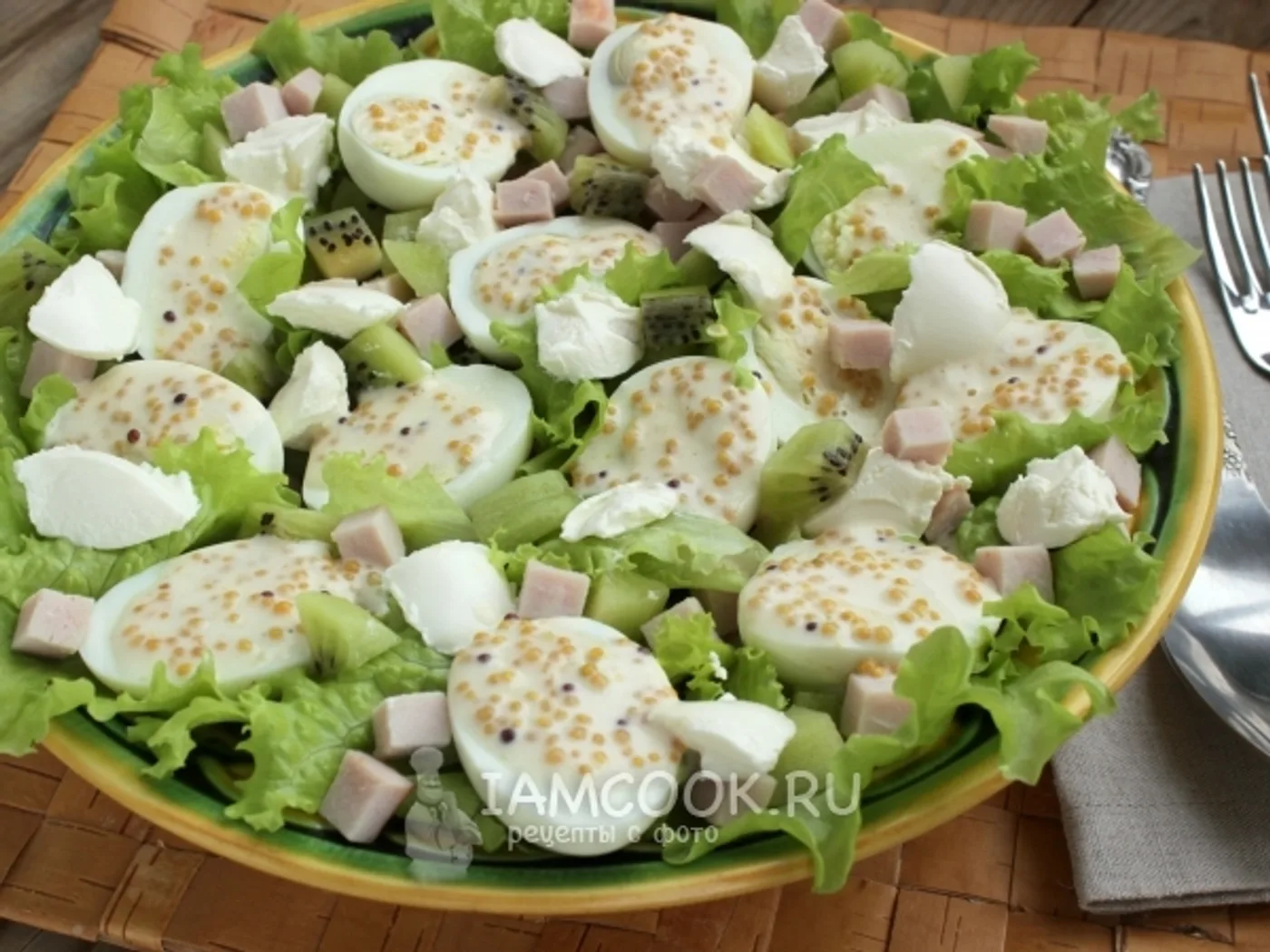
“Original” pork salad with kiwi and eggs
How to prepare “Original” pork salad with kiwi and eggs: Lettuce leaf, Pork in / k, Kiwi and Eggs (quail or chicken C2-C3) - 6 pieces.