Kilishi (Nigerian Beef Jerky)
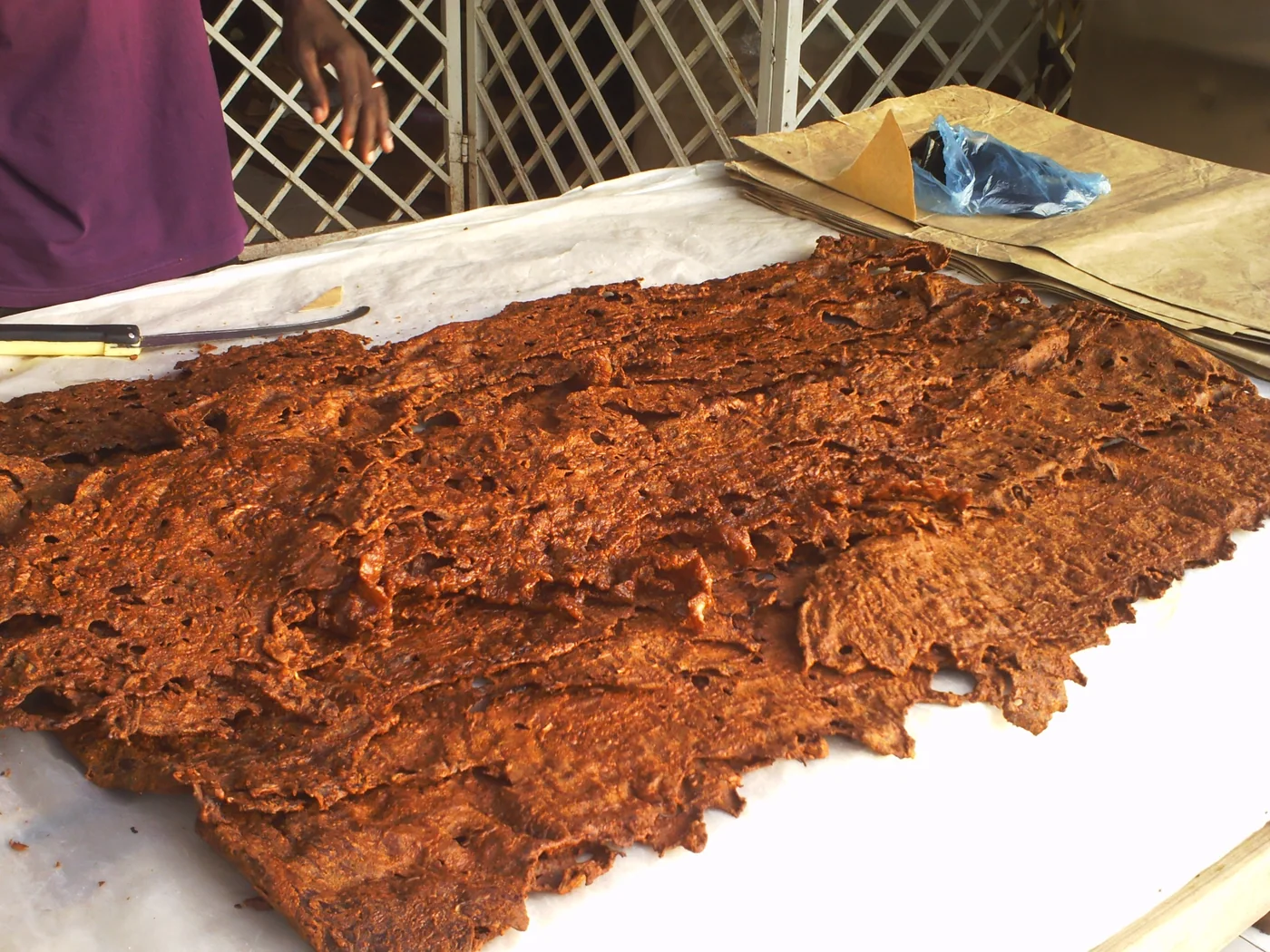
Kilishi is a spicy, thinly sliced beef jerky popular in northern Nigeria. It is made by marinating meat in a spiced peanut-based paste and then drying it. Traditionally sun-dried, modern versions are often oven-baked for convenience.
Before you start
A quick setup makes the method easier to follow and keeps important steps from being missed.
Preparation checklist
- Read all 6 method steps from beginning to end.
- Measure and arrange all 9 listed ingredients.
- Keep the recipe open and follow each step in order; the source does not state a total time.
Recipe notes & preparation tips
Traditionally, kilishi is sun-dried before roasting. The oven method provides a hygienic and faster alternative.
For even drying, use a wire rack placed over a baking tray.
Adjust spice levels by reducing or increasing cayenne and suya spice.
Store in an airtight container for up to 1 week; refrigerate for longer shelf life.
You can substitute beef with goat or chicken for different flavors.
If available, ground roasted peanuts can be added to the spice mix for a richer, authentic taste.
Adapted from the source recipe's notes.Method
- 01
Rub salt on both sides of the beef slices and let sit for 10 minutes.
- 02
Lay the slices flat on a baking sheet. Bake in a preheated oven at 250°C (482°F) for 15 minutes, turning every 5 minutes.
- 03
Pound or blend the ginger and garlic into a paste. In a bowl, mix the paste with the stock cube, cloves, cayenne seeds, suya spice, and a few tablespoons of water to form a marinade.
- 04
Rub the marinade onto the partially baked meat slices, coating them well.
- 05
Return the slices to the oven and bake for another 10–15 minutes, flipping occasionally until fully dry and slightly crispy.
- 06
Remove from the oven and let cool before serving or storing.
Ready to serve
Serve the dish as directed and enjoy it while it is at its best.
Bon appétit — enjoy your meal!Source & licence
This recipe was adapted and reformatted from Wikibooks Cookbook . Text: CC BY-SA 4.0. Image: CC BY-SA 3.0, credited to Abubakar M. Ahmad; view original image record .
More from International
 International
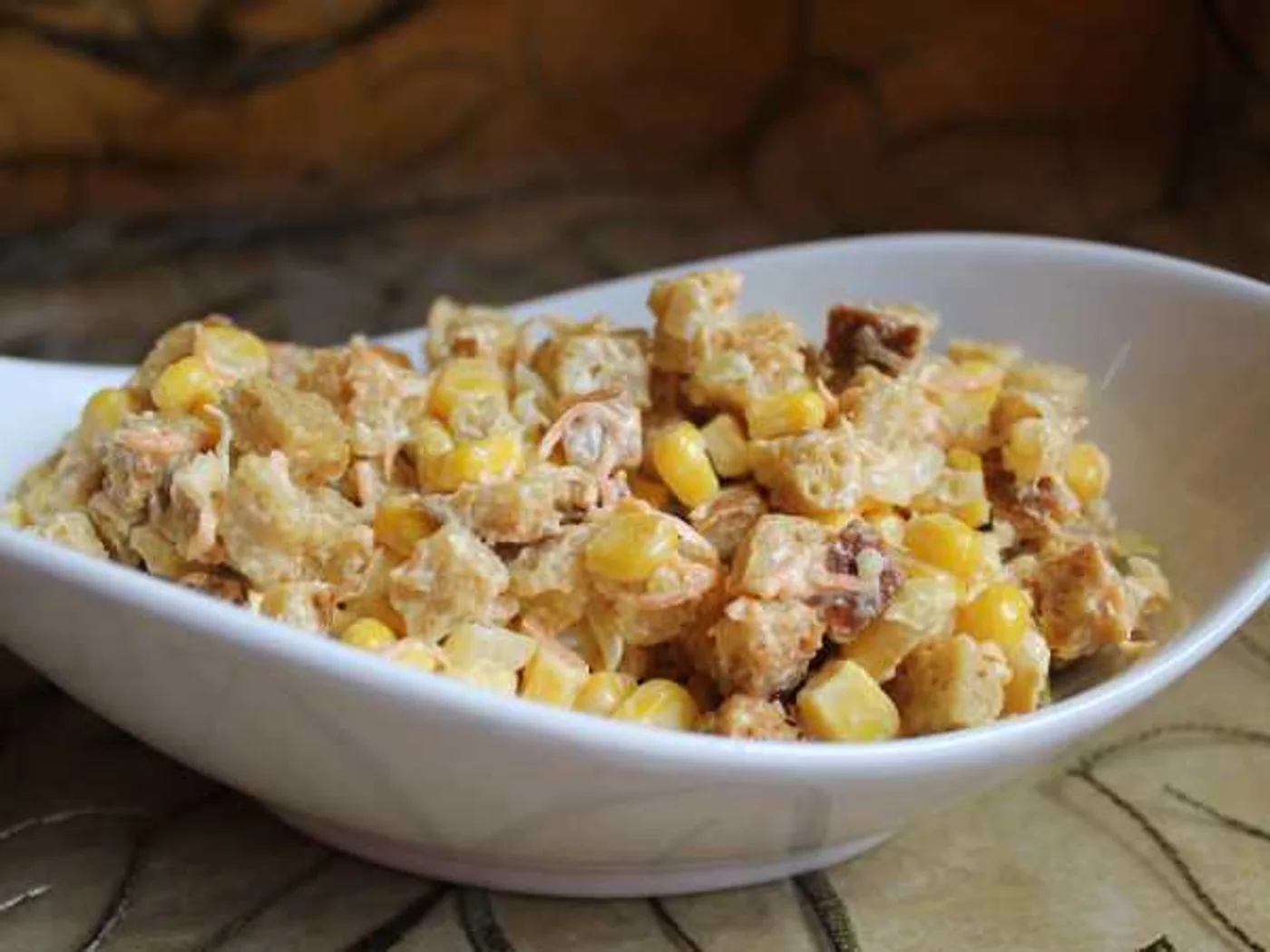
"Favourite" salad
How to prepare "Favorite Salad": Bread, Mayonnaise, Garlic and Carrots. Step-by-step recipe with a photo, 18 stages, the total time is 30 minutes.
 International
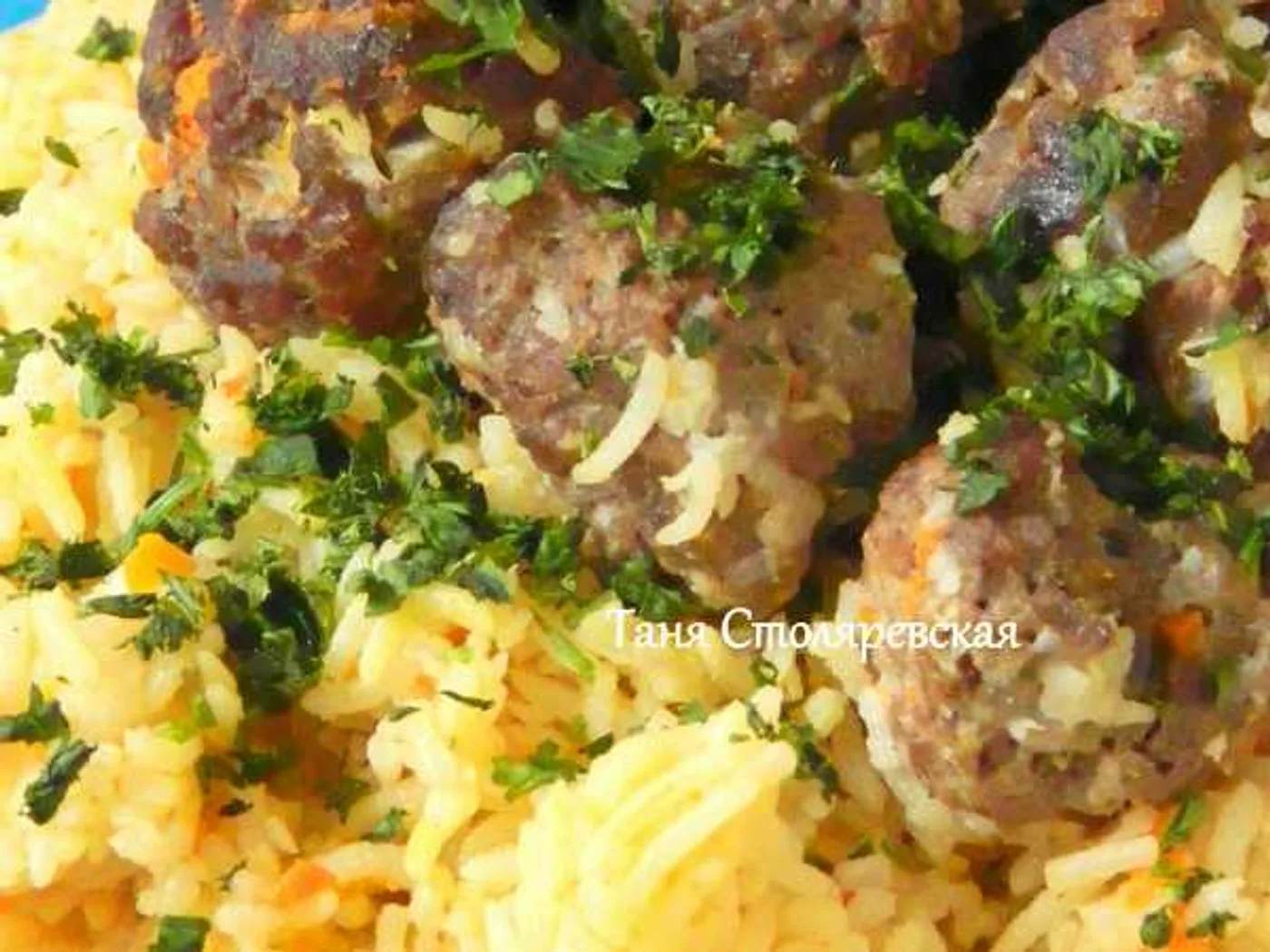
"Gelak Pilaw," pilaf with meatballs
Learn how to make "Gelak Pilaw," pilaf with meatballs with 7 ingredients and 11 clear steps.
 International
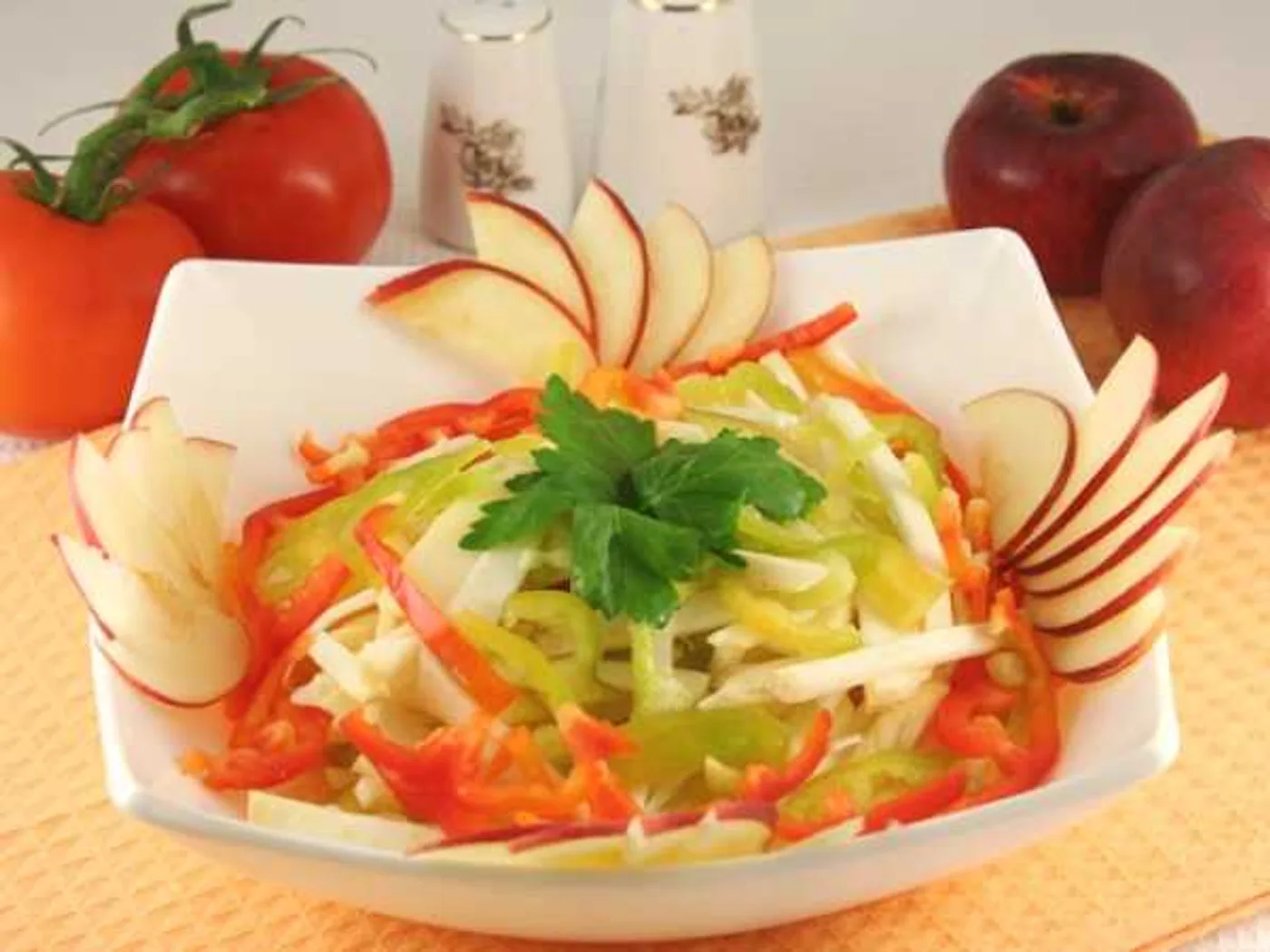
"Grace" salad
Learn how to make "Grace" salad with 7 ingredients and 8 clear steps.
 International
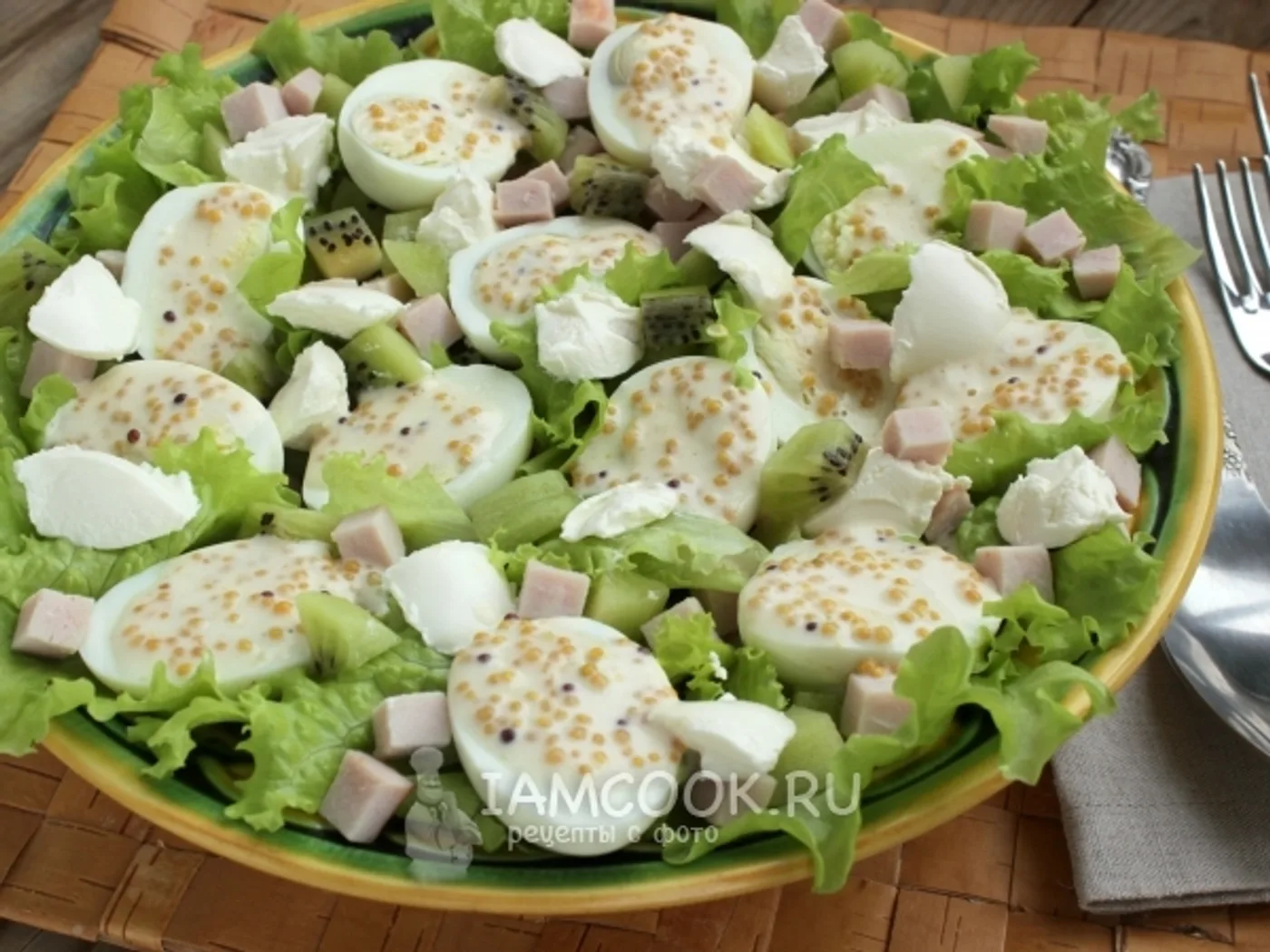
“Original” pork salad with kiwi and eggs
How to prepare “Original” pork salad with kiwi and eggs: Lettuce leaf, Pork in / k, Kiwi and Eggs (quail or chicken C2-C3) - 6 pieces.