Hard Tack
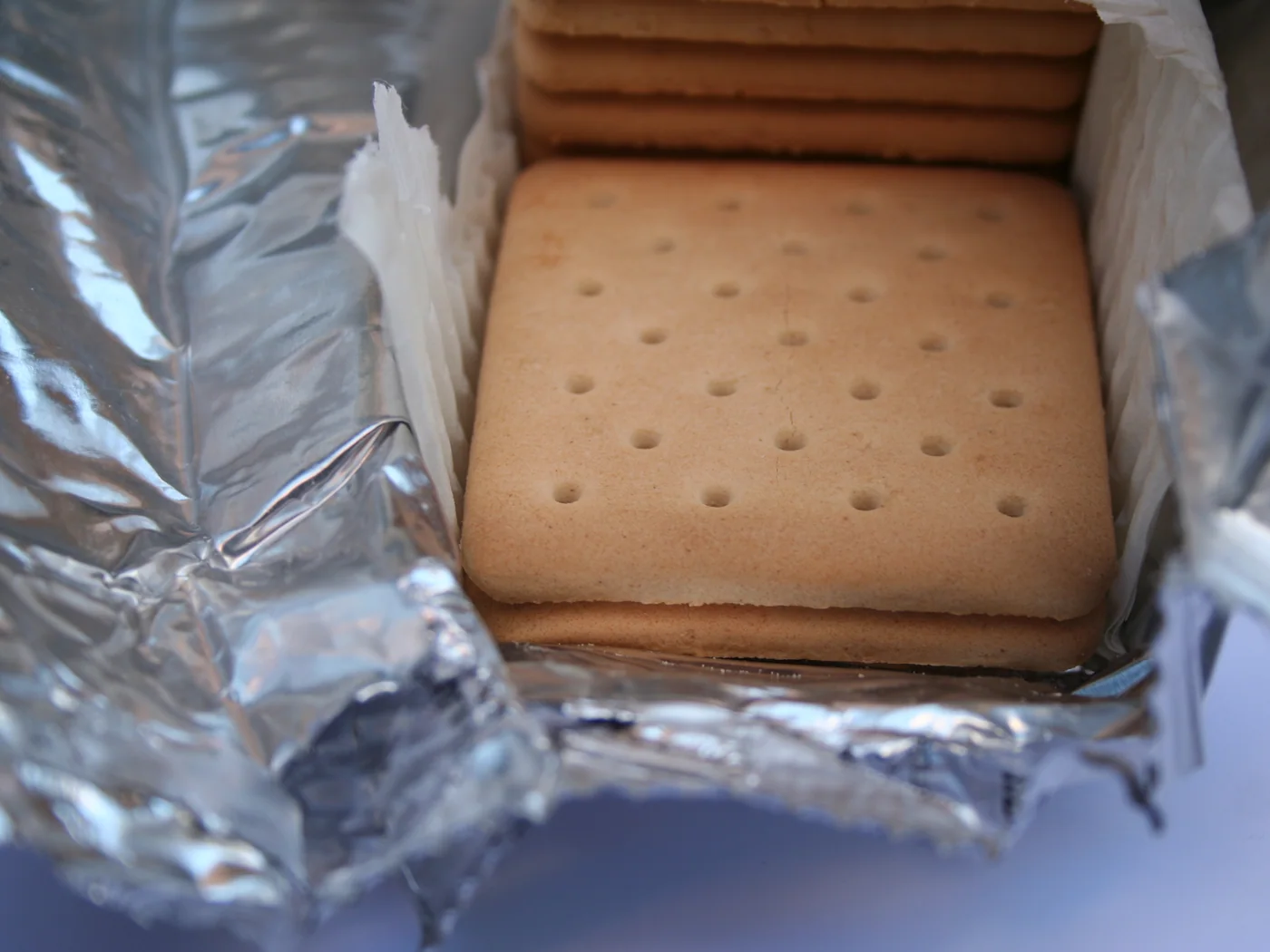
Vegan Cuisine Hard tack is a cracker/biscuit flat-bread used during long sea voyages and military campaigns before the introduction of canning as a primary food-source. Mostly inedible for dry and hard preservation, it was usually dunked in water, brine, coffee, or other liquids, or cooked into a skillet meal. This cracker was little more than flour and wate
Before you start
A quick setup makes the method easier to follow and keeps important steps from being missed.
Preparation checklist
- Read all 4 method steps from beginning to end.
- Measure and arrange all 3 listed ingredients.
- Set aside about 120 minutes, based on the time recorded by the source.
Recipe notes & preparation tips
You can add 1 tablespoon shortening to the dough if desired. This will make the crackers more palatable but means that, unlike traditional hard bread, they will eventually spoil, even if properly stored.
It is very important that hardtack has holes poked into it to ensure air escapes instead of turning the hardtack porous and therefore lessening its shelf life.
Some recipes also recommend a second baking at 250°F (120°C) to thoroughly dry out the bread.
Scale ingredient quantities equally if more dough is required.
Adding salt to the dough brings multiple benefits, most notably improving taste and extending shelf life further.
Adapted from the source recipe's notes.Method
- 01
Mix all the ingredients into a dough and press onto a greased cookie sheet to a thickness of ½ inch.
- 02
Bake in a preheated oven at 400°F (205°C) for half an hour. Don't cut now.
- 03
Remove from oven, and cut dough into 3-inch squares. Punch four rows of holes, four holes per row into the dough (a fork works nicely).
- 04
Flip the crackers and return to the oven for another half hour.
Ready to serve
Serve the dish as directed and enjoy it while it is at its best.
Bon appétit — enjoy your meal!Source & licence
This recipe was adapted and reformatted from Wikibooks Cookbook . Text: CC BY-SA 4.0. Image: CC BY-SA 3.0, credited to Wikimedia contributor; view original image record .
More from International
 International
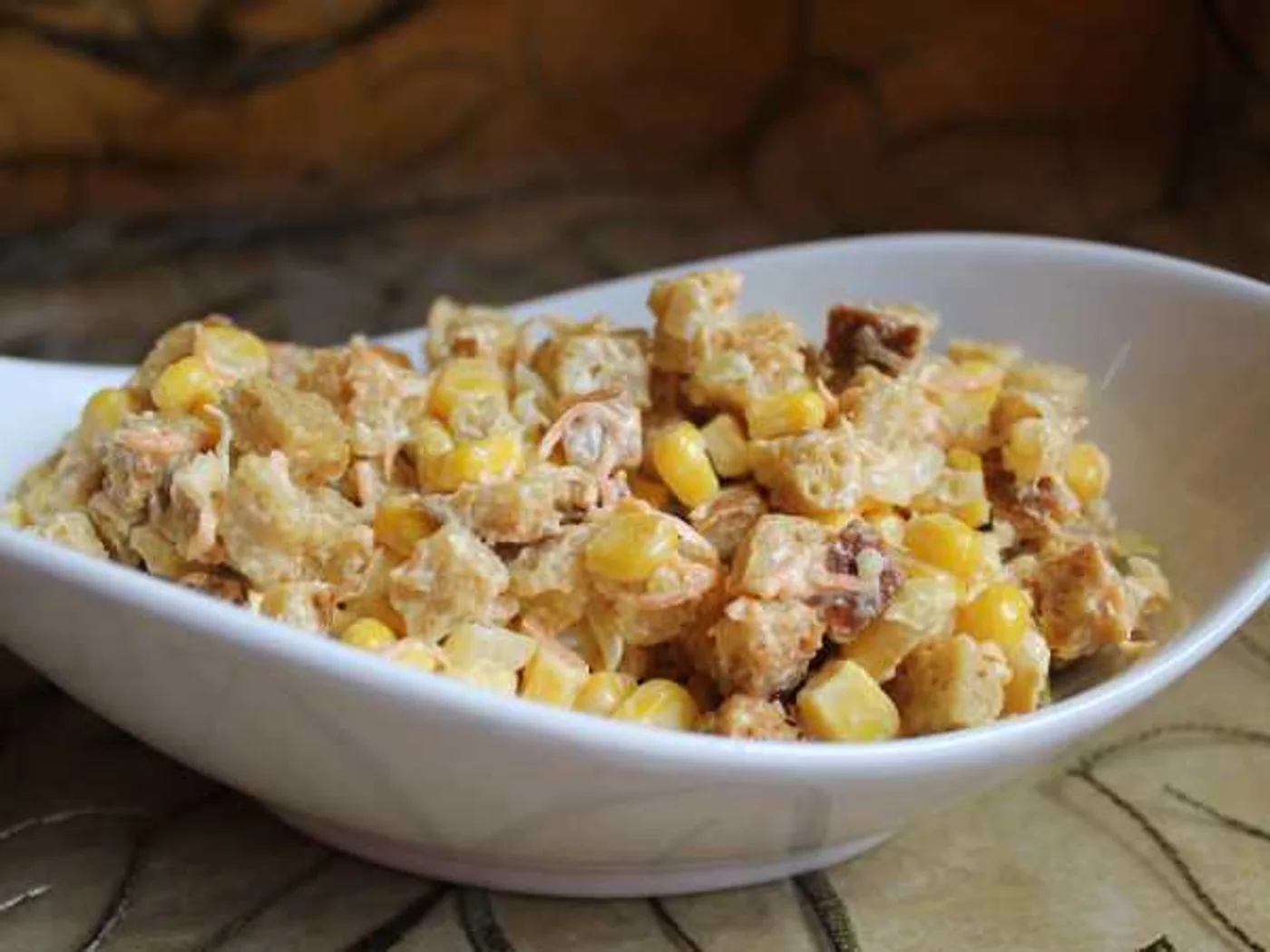
"Favourite" salad
How to prepare "Favorite Salad": Bread, Mayonnaise, Garlic and Carrots. Step-by-step recipe with a photo, 18 stages, the total time is 30 minutes.
 International
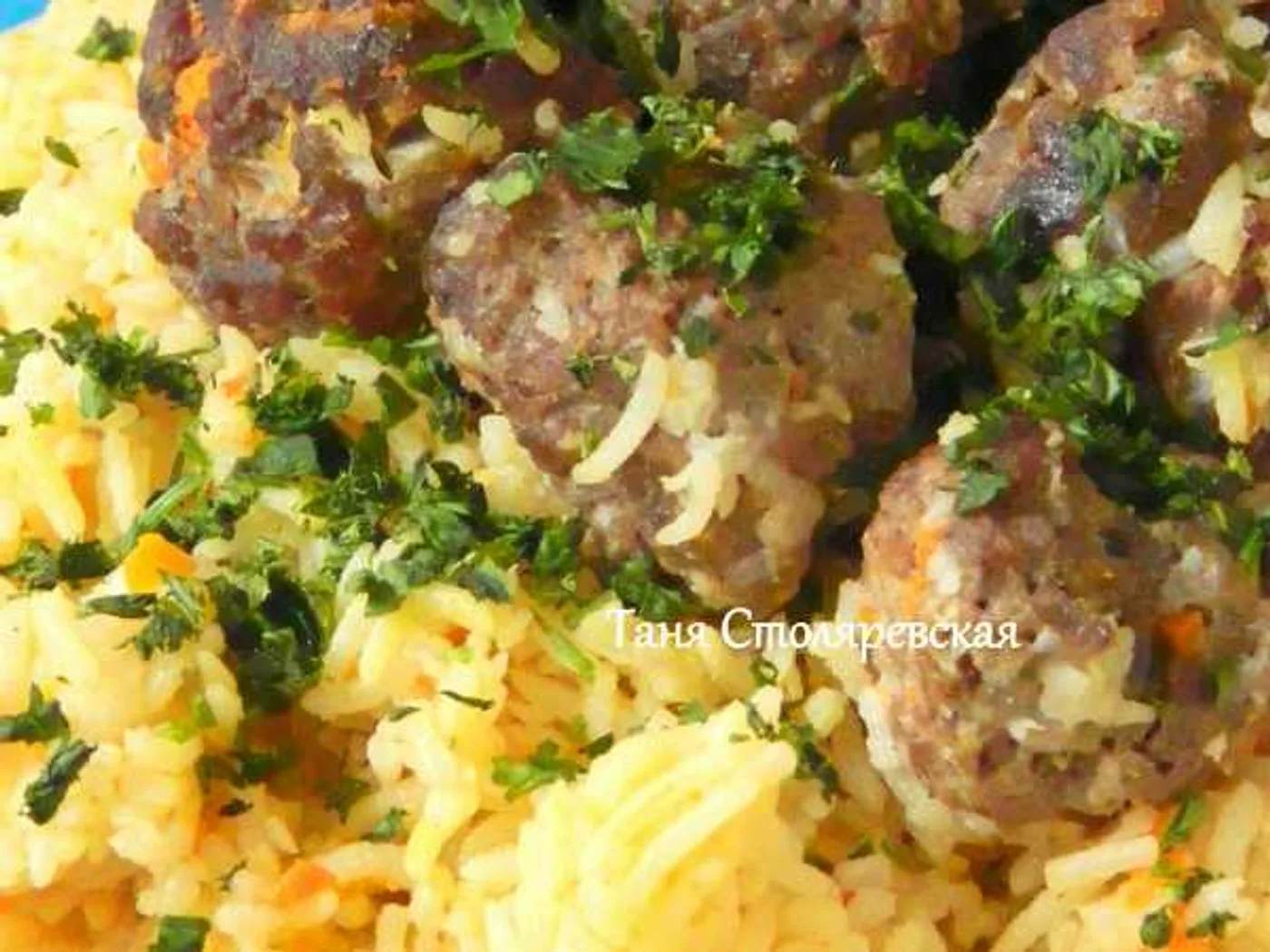
"Gelak Pilaw," pilaf with meatballs
Learn how to make "Gelak Pilaw," pilaf with meatballs with 7 ingredients and 11 clear steps.
 International
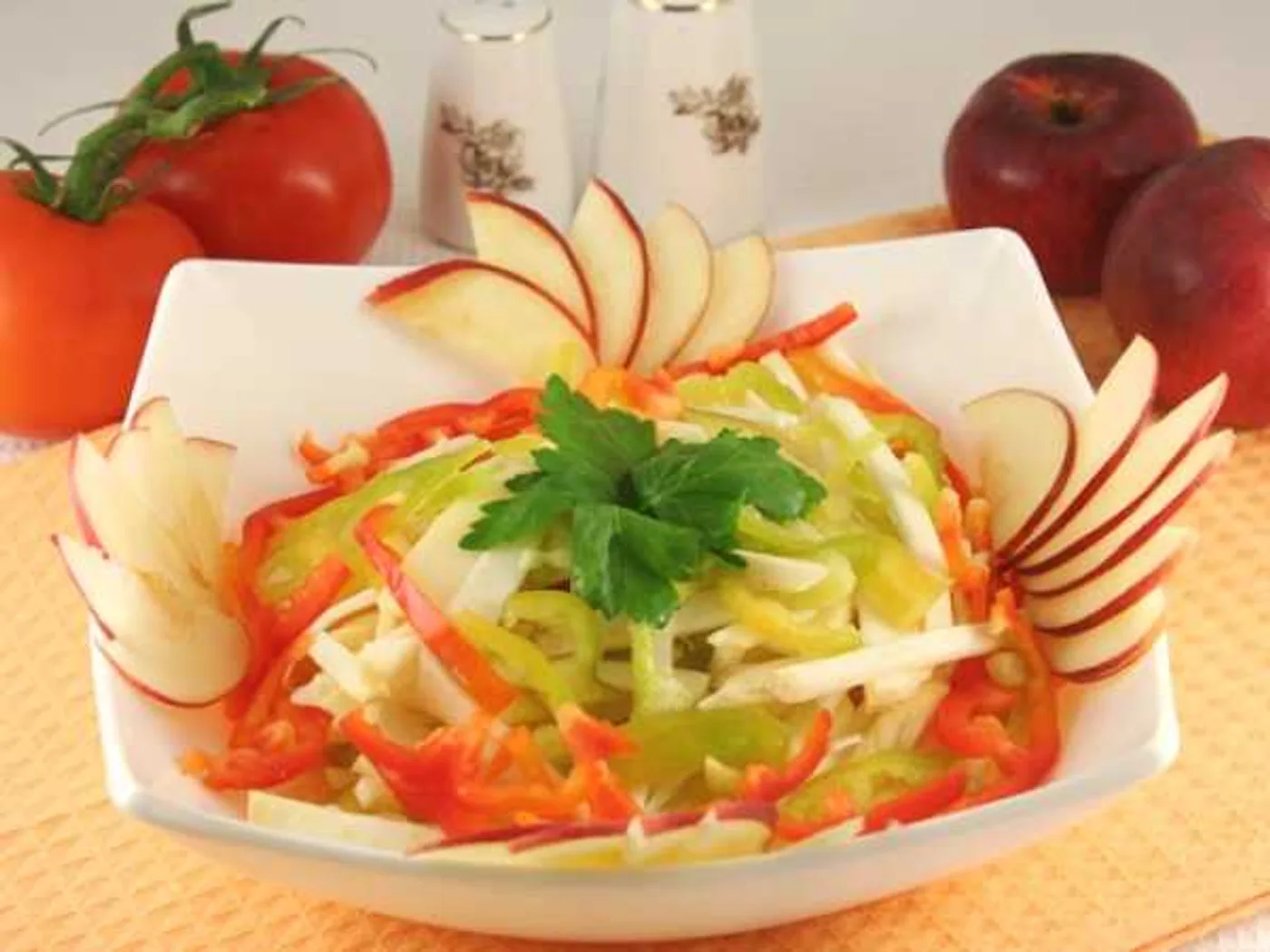
"Grace" salad
Learn how to make "Grace" salad with 7 ingredients and 8 clear steps.
 International
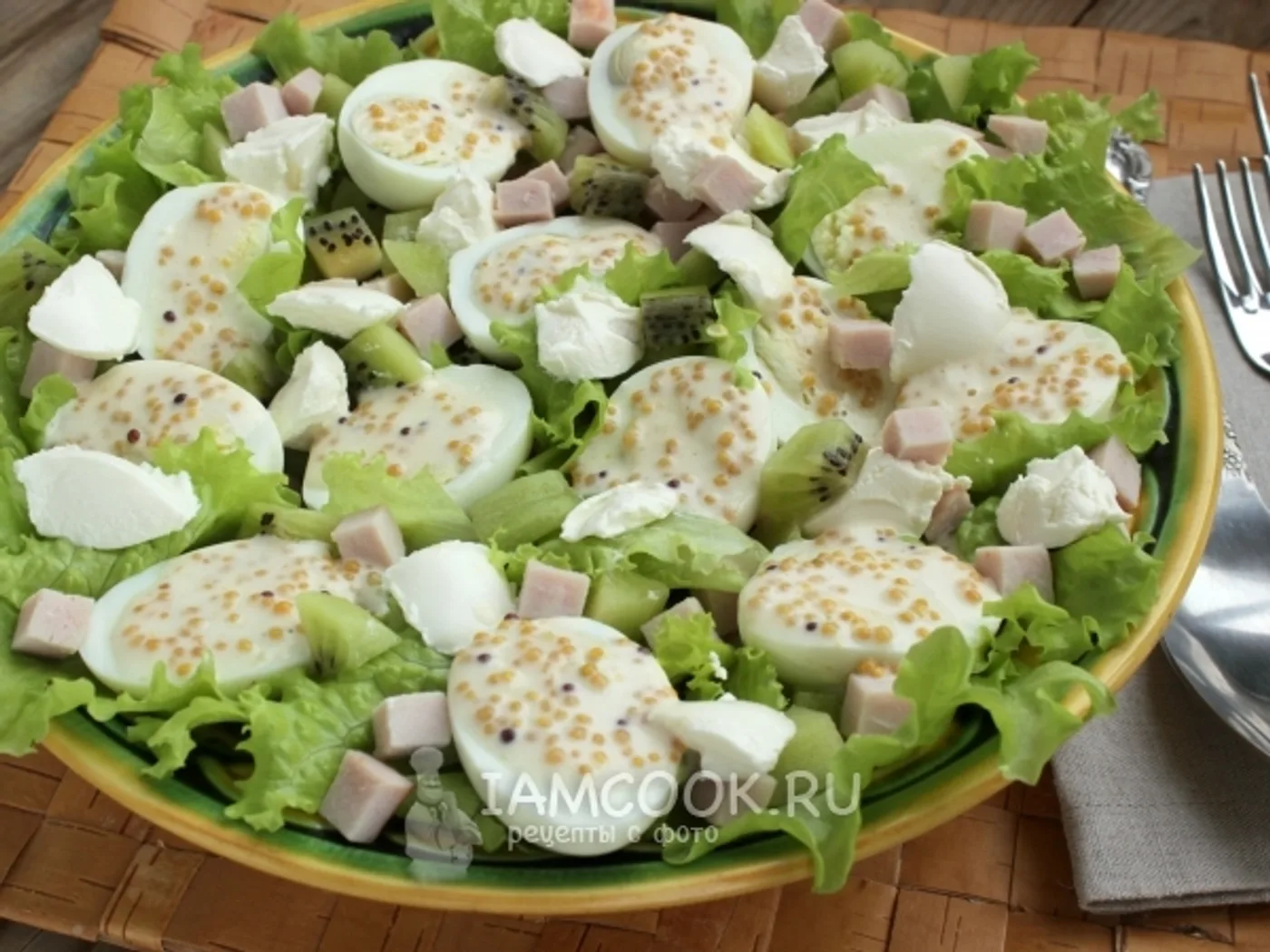
“Original” pork salad with kiwi and eggs
How to prepare “Original” pork salad with kiwi and eggs: Lettuce leaf, Pork in / k, Kiwi and Eggs (quail or chicken C2-C3) - 6 pieces.