Gimbap
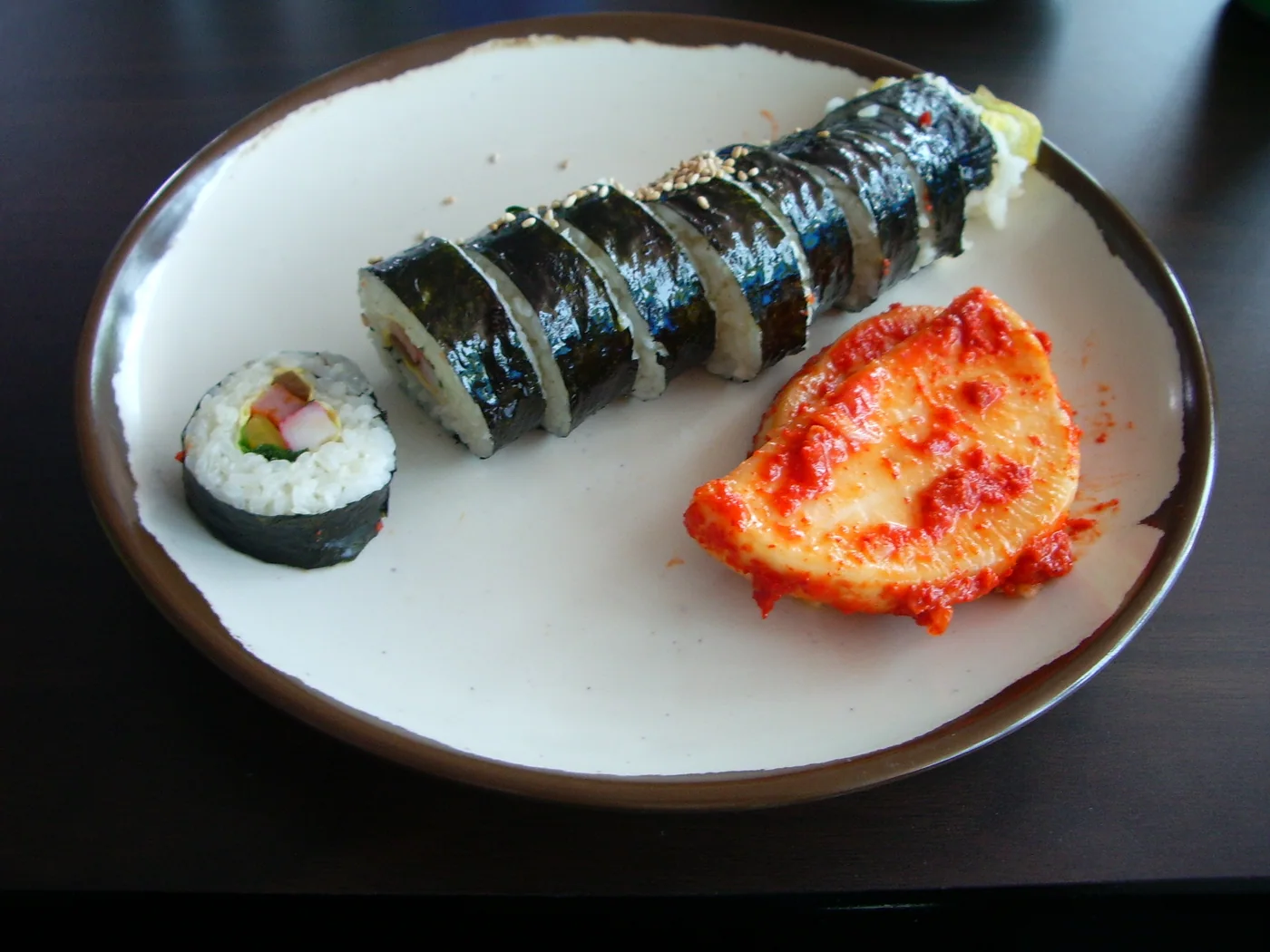
Korean Cuisine Gimbap is a popular snack or lunch dish in Korea. Its primary ingredients are gim (sheets of dried seaweed) and bap (rice).
Before you start
A quick setup makes the method easier to follow and keeps important steps from being missed.
Preparation checklist
- Read all 9 method steps from beginning to end.
- Measure and arrange all 12 listed ingredients.
- Set aside about 30 minutes, based on the time recorded by the source.
Recipe notes & preparation tips
Avoid spreading the rice too thick on the seaweed, which will make it hard to roll up.
Gimbap is good to pack for lunch or a snack, and it makes great picnic food.
Adapted from the source recipe's notes.Method
- 01
Slice radish lengthwise, about 1 cm thick.
- 02
Boil water and add spinach. Boil for about 10 seconds, then drain it.
- 03
Rinse the spinach with cold water, and squeeze all the water out. Season with salt, sesame oil, and sesame seeds.
- 04
Shred carrots about 2 inches (5 cm) long. Stir-fry it with salt, pepper, and vegetable oil. You don’t have to cook it all the way through.
- 05
Crack about 4–5 eggs into a little bowl. Mix well, and season with salt and pepper. Transfer beaten eggs to a hot greased skillet, and cook like an omelet until it is solid. Cut lengthwise, about 1 cm thick.
- 06
Mix rice, 2 tbsp of oil, and sesame seed together.
- 07
Place the mat on a flat surface and place a sheet of seaweed on top. Spread a layer of seasoned rice on top of the seaweed, and arrange the eggs, carrots, spinach, radish, and meat on top of that in long strips.
- 08
Use the bamboo mat to tightly roll everything up, with the fillings on the inside and the seaweed on the outside.
- 09
If desired, slice the roll into rounds.
Ready to serve
Serve the dish as directed and enjoy it while it is at its best.
Bon appétit — enjoy your meal!Source & licence
This recipe was adapted and reformatted from Wikibooks Cookbook . Text: CC BY-SA 4.0. Image: CC BY-SA 2.0 fr, credited to Wikimedia contributor; view original image record .
More from International
 International
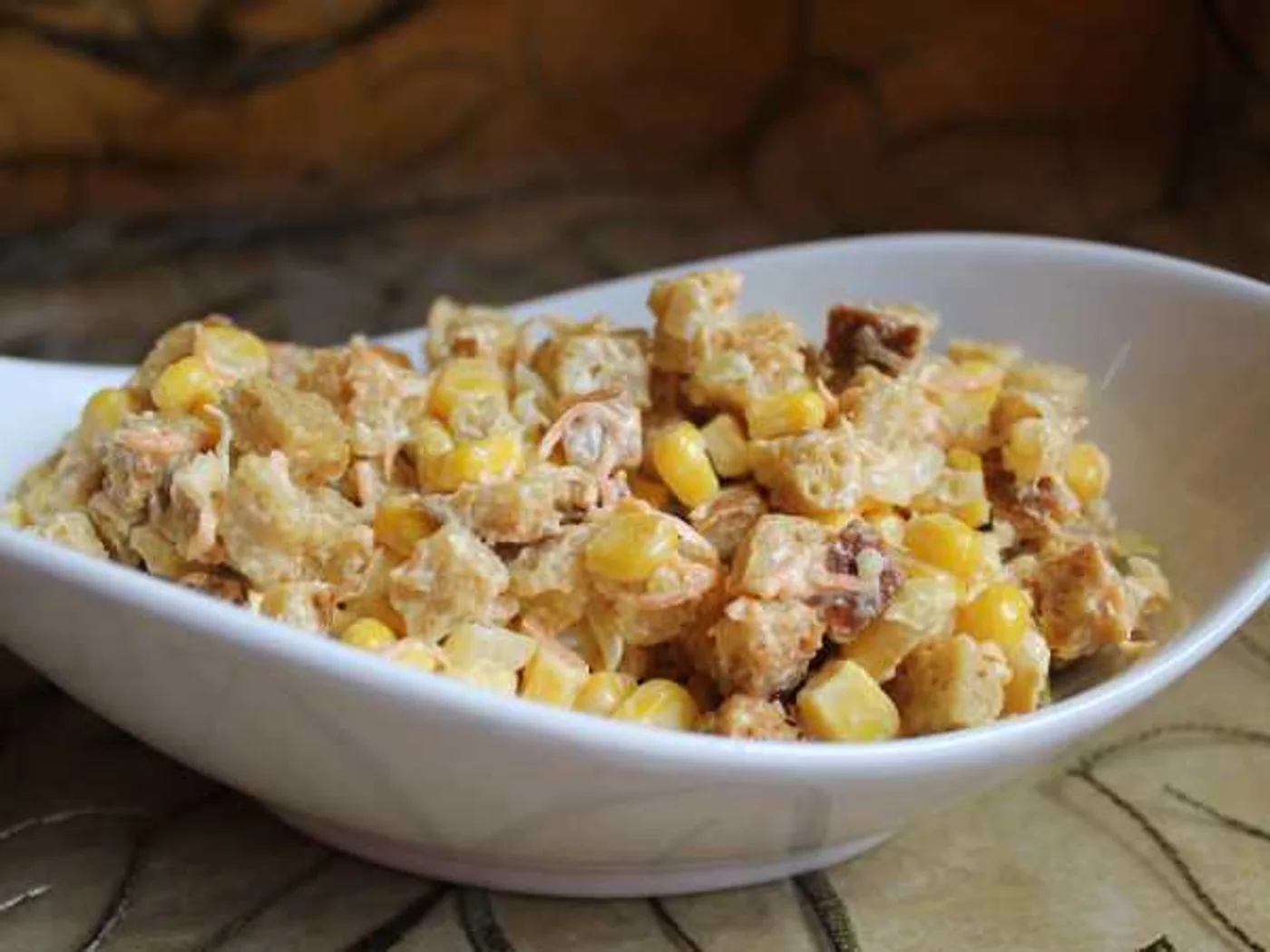
"Favourite" salad
How to prepare "Favorite Salad": Bread, Mayonnaise, Garlic and Carrots. Step-by-step recipe with a photo, 18 stages, the total time is 30 minutes.
 International
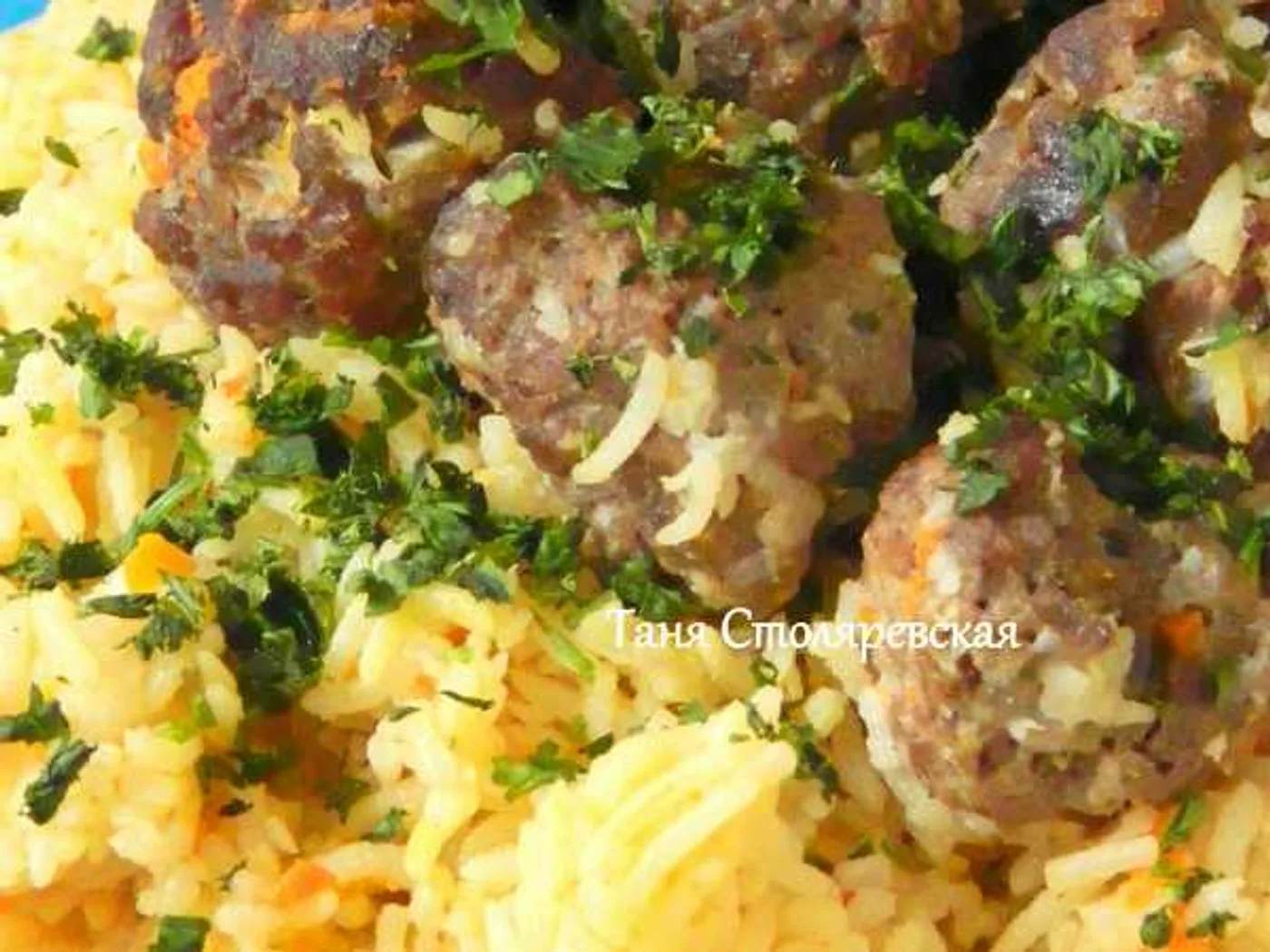
"Gelak Pilaw," pilaf with meatballs
Learn how to make "Gelak Pilaw," pilaf with meatballs with 7 ingredients and 11 clear steps.
 International
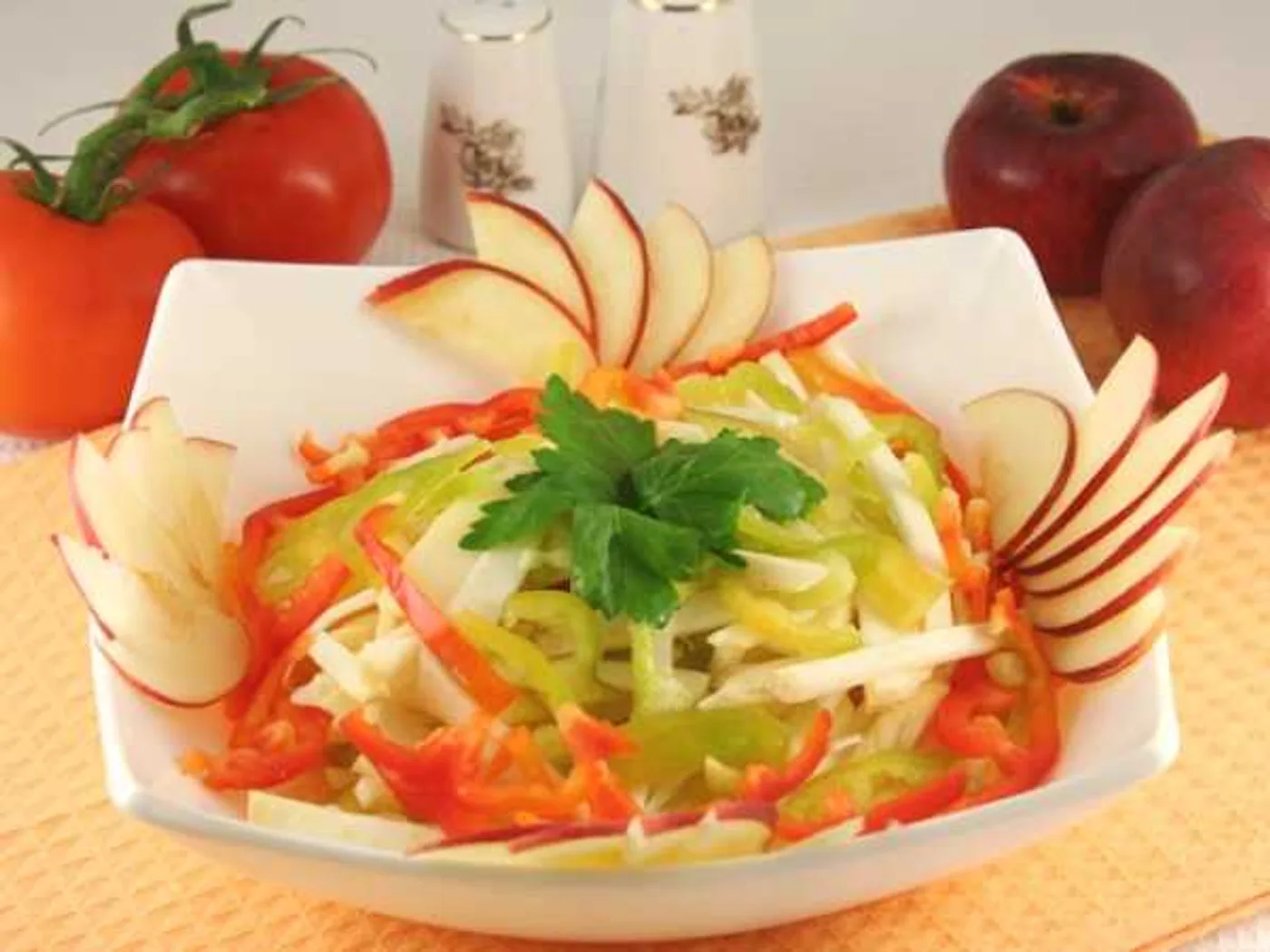
"Grace" salad
Learn how to make "Grace" salad with 7 ingredients and 8 clear steps.
 International
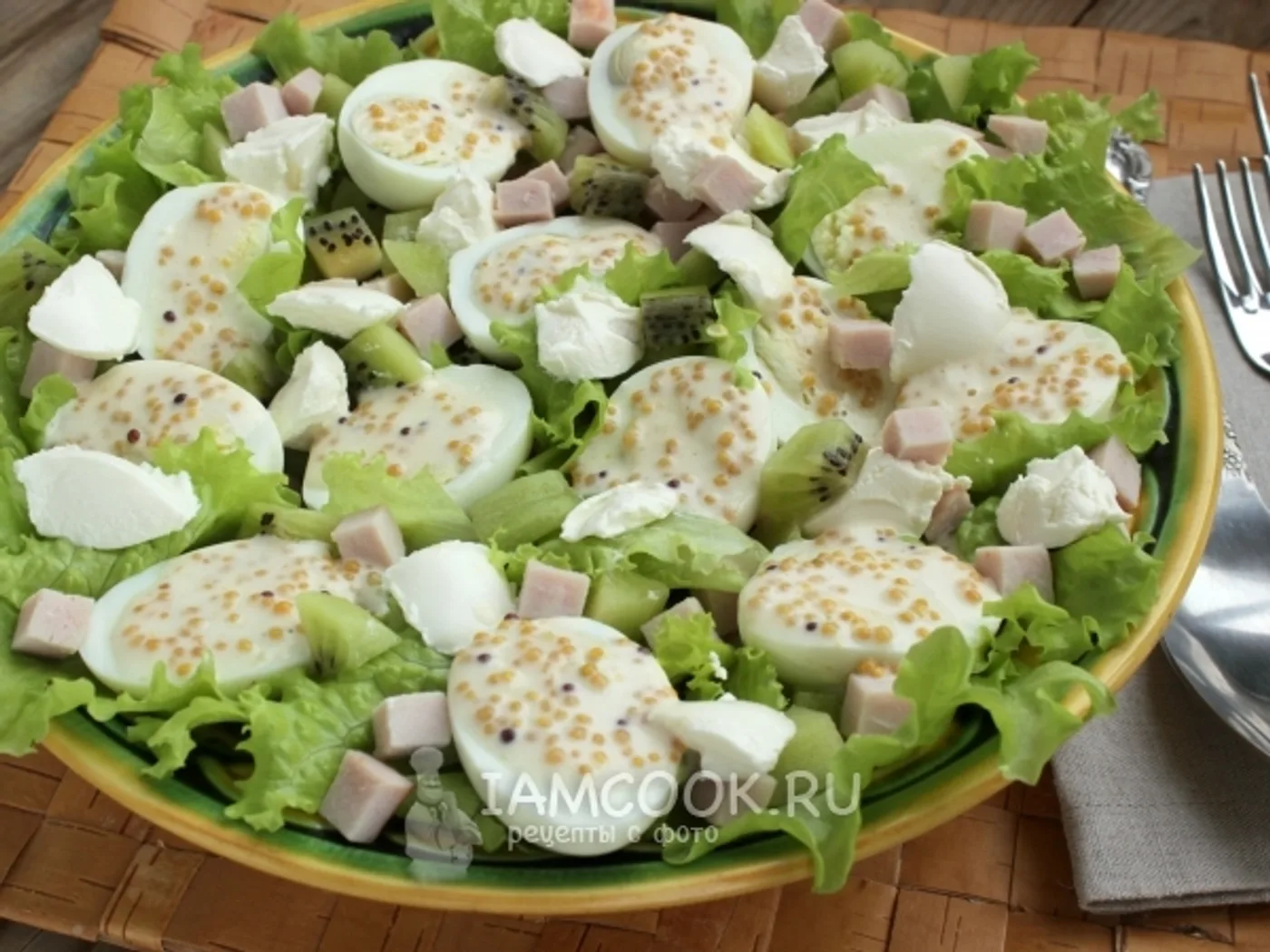
“Original” pork salad with kiwi and eggs
How to prepare “Original” pork salad with kiwi and eggs: Lettuce leaf, Pork in / k, Kiwi and Eggs (quail or chicken C2-C3) - 6 pieces.