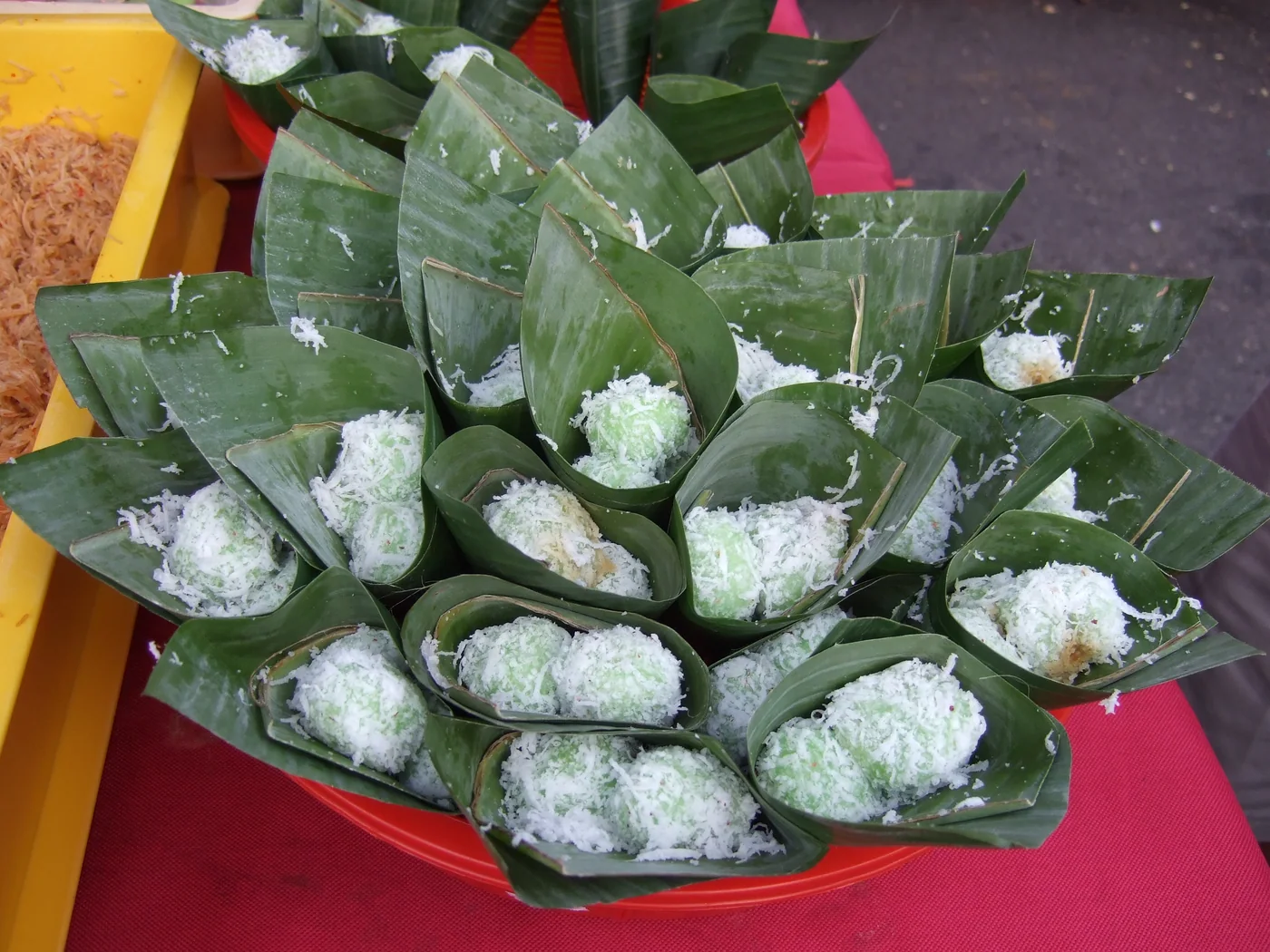
Buah Melaka (Malaysian Palm Sugar Dumplings)
Buah Melaka (Malaysian Palm Sugar Dumplings) is a International recipe with clear ingredients and practical, step-by-step directions.
Before you start
A quick setup makes the method easier to follow and keeps important steps from being missed.
Preparation checklist
- Read all 11 method steps from beginning to end.
- Measure and arrange all 6 listed ingredients.
- Keep the recipe open and follow each step in order; the source does not state a total time.
Useful preparation guidance
Read the complete method before starting so ingredients and equipment are ready when needed.
Measure and prepare every ingredient before applying heat or beginning time-sensitive steps.
Use the method's visual and texture cues, because cookware and heat levels can vary between kitchens.
General kitchen guidance; no recipe-specific claim has been added.Method
- 01
Combine the grated coconut and a pinch of salt together, then place it in a dish. Set aside for later.
- 02
Use a blender or mortar to grind together the pandan leaves and water. Strain the mixture and discard the solids.
- 03
Combine the rice flour and pandan liquid in a bowl, and knead well to make a dough.
- 04
Pinch off pieces of the dough, and roll them into balls. They should be about 1–2 inches (2.5–5 cm) in diameter.
- 05
Use your hands to flatten a ball or create a small pocket in the center, making space for a piece of the sugar. Place a piece of sugar in the center, then pinch the dough closed around the sugar.
- 06
Gently roll the filled dumpling into a ball again.
- 07
Repeat the filling and shaping process for all of the dough pieces.
- 08
Bring 2 L water to a boil in a deep pot.
- 09
Add the dumplings to the pot, working in batches if needed to avoid crowding the pan. Boil until the dumplings rise to the surface—don't boil too hard, as you don't want to burst the dumplings.
- 10
Remove and drain the dumplings.
- 11
While still hot, roll the cooked dumplings in the plate of coconut until they are completely coated.
Ready to serve
Serve the dish as directed and enjoy it while it is at its best.
Bon appétit — enjoy your meal!Source & licence
This recipe was adapted and reformatted from Wikibooks Cookbook . Text: CC BY-SA 4.0. Image: CC BY-SA 2.0, credited to Yun Huang Yong from Harbord, Australia; view original image record .
More from International
 International
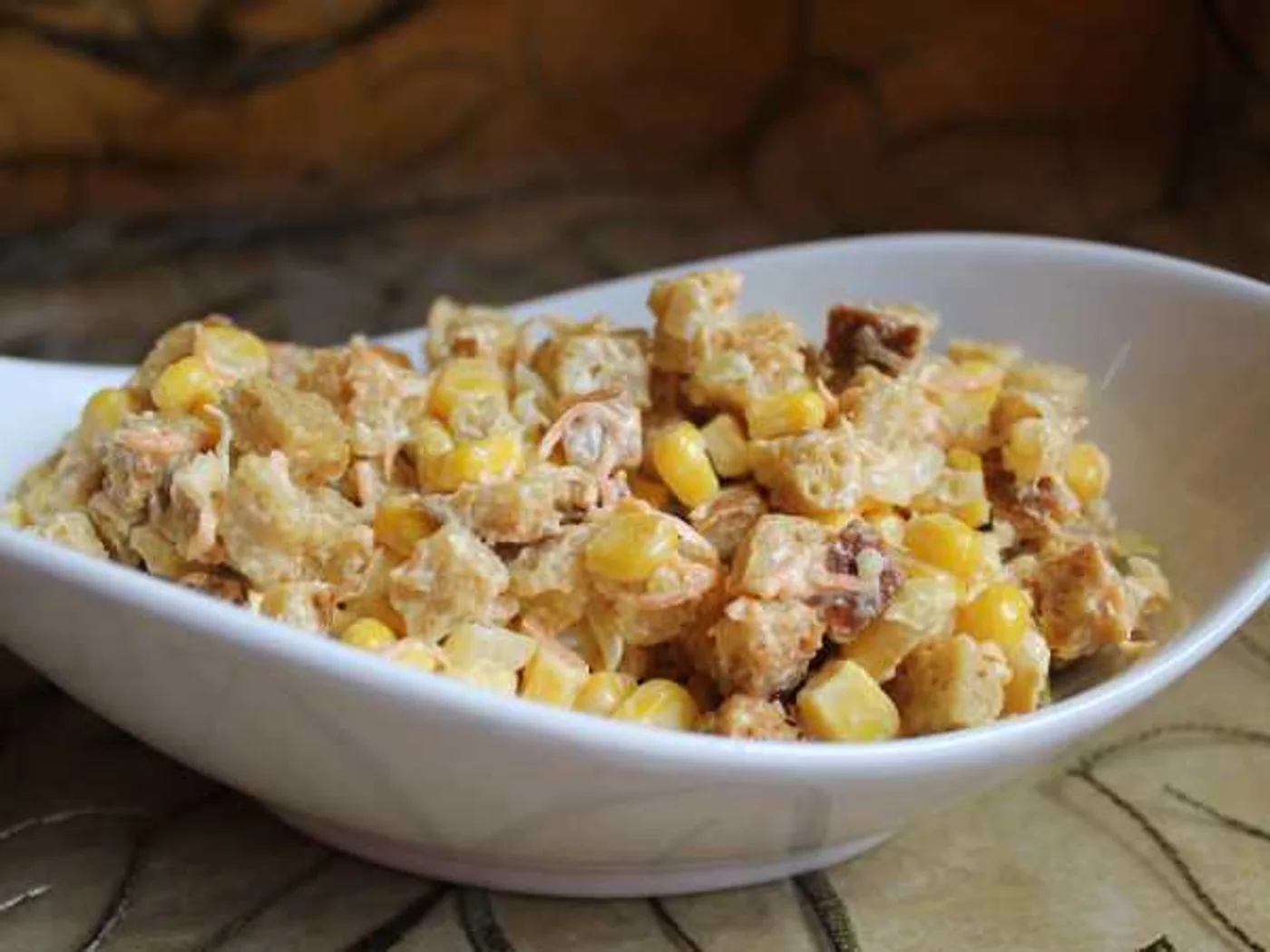
"Favourite" salad
How to prepare "Favorite Salad": Bread, Mayonnaise, Garlic and Carrots. Step-by-step recipe with a photo, 18 stages, the total time is 30 minutes.
 International
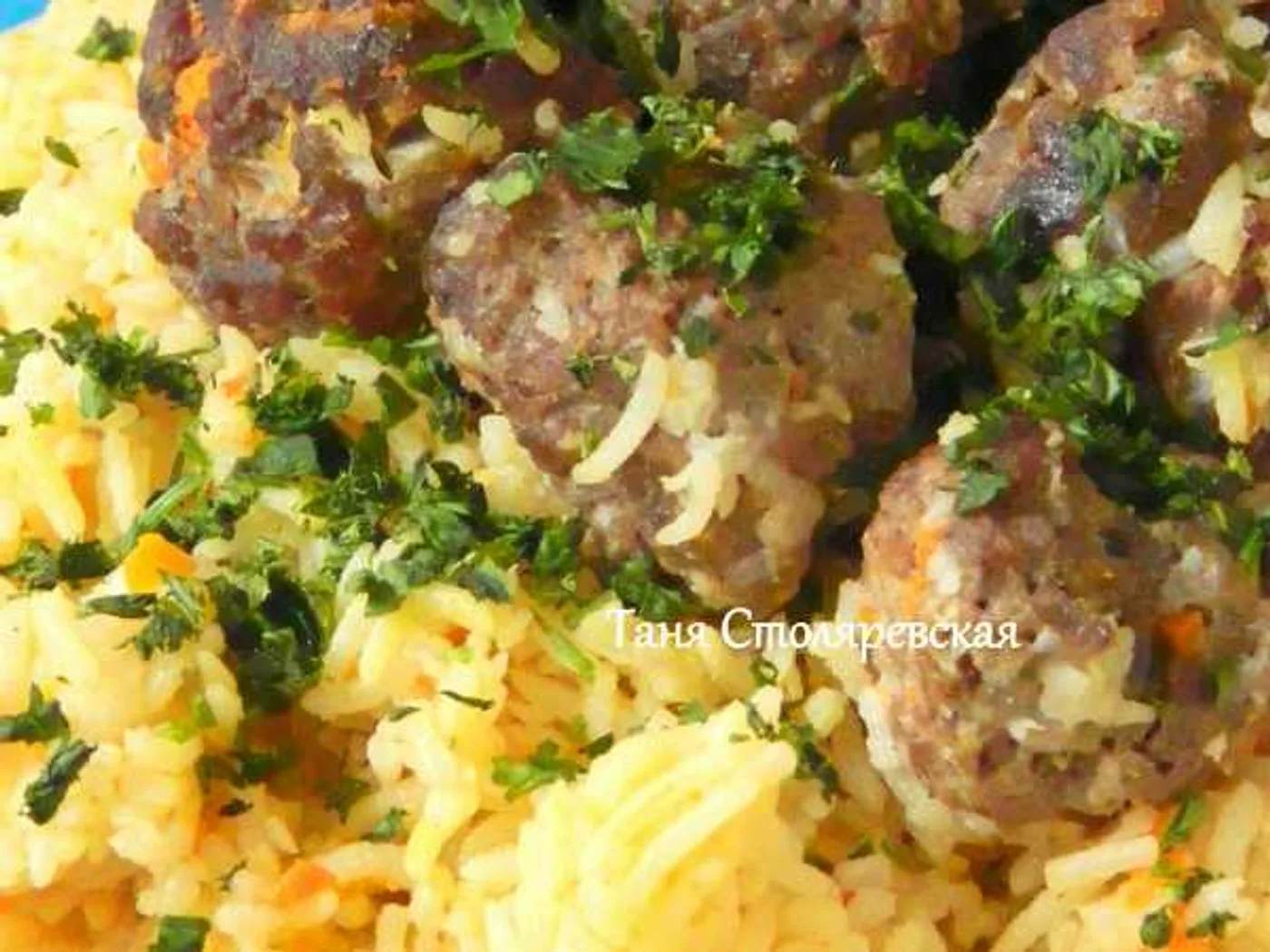
"Gelak Pilaw," pilaf with meatballs
Learn how to make "Gelak Pilaw," pilaf with meatballs with 7 ingredients and 11 clear steps.
 International
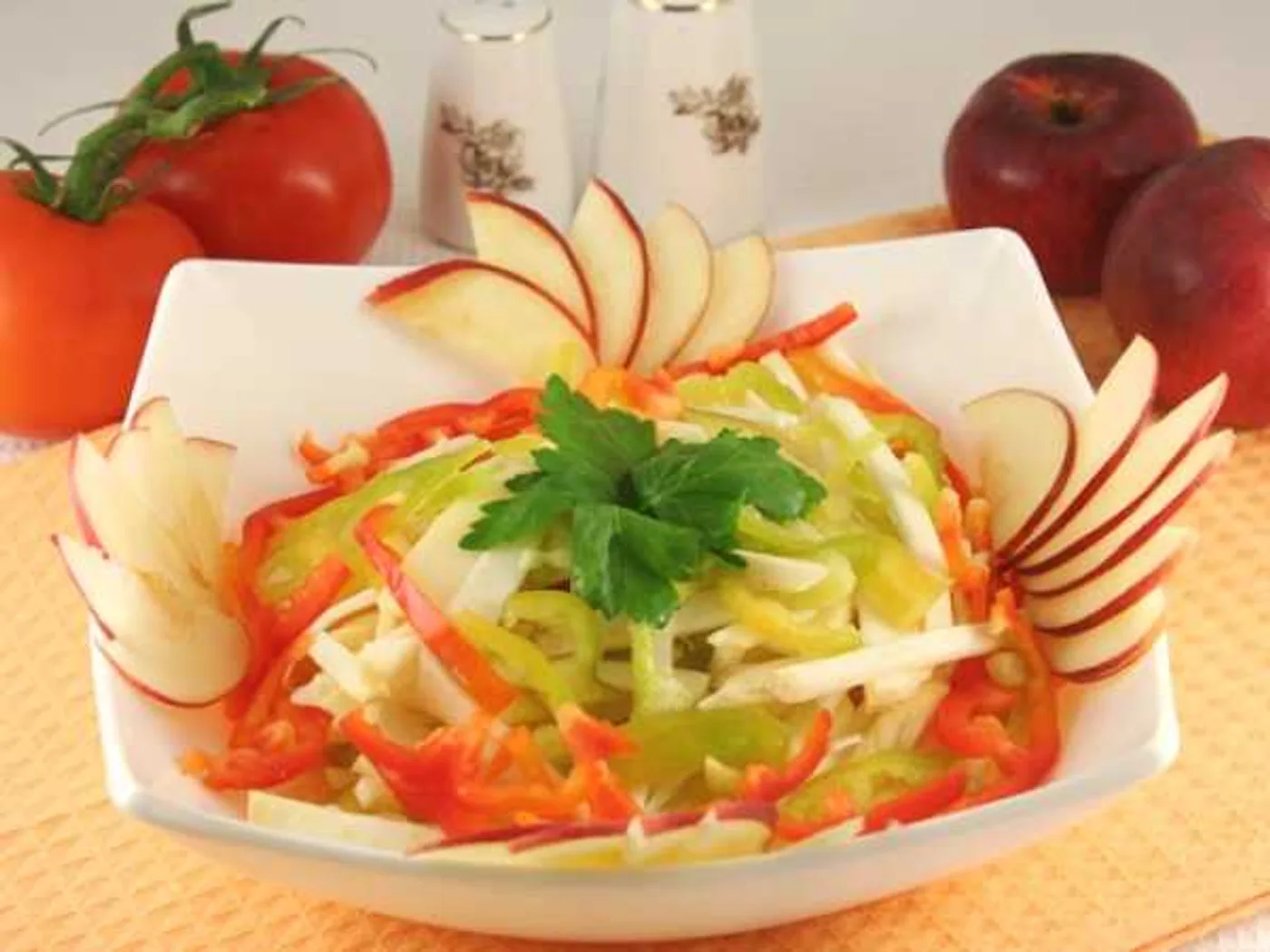
"Grace" salad
Learn how to make "Grace" salad with 7 ingredients and 8 clear steps.
 International
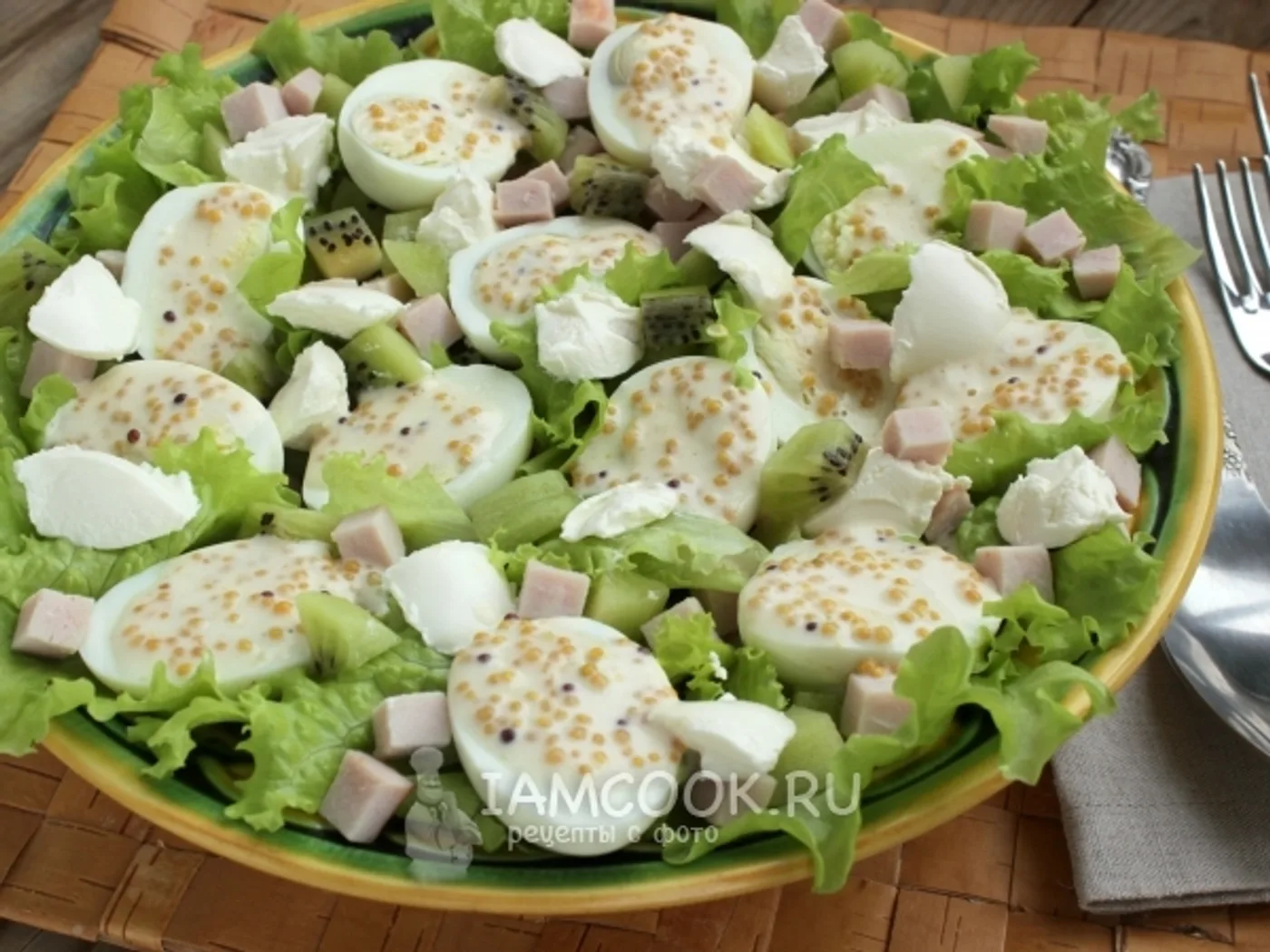
“Original” pork salad with kiwi and eggs
How to prepare “Original” pork salad with kiwi and eggs: Lettuce leaf, Pork in / k, Kiwi and Eggs (quail or chicken C2-C3) - 6 pieces.